Automobile ownership represents a significant financial investment, second only to housing for most families. Modern vehicles are incredible achievements of mechanical and digital engineering, capable of operating reliably for hundreds of thousands of miles when managed correctly. However, achieving this level of longevity requires moving away from reactive, panic-driven repairs and adopting a proactive strategy. A well-constructed automotive blueprint turns ownership into a predictable, rewarding experience rather than a source of financial stress. By looking at a vehicle as a collection of interconnected systems, drivers can easily anticipate wear and mitigate potential failures before they escalate into major problems.
The journey of vehicle maintenance spans several distinct operational phases. These phases include basic routine tasks performed every few months, specialized mechanical procedures required as components age, and unpredictable emergency events that demand immediate professional resolution. Treating vehicle care as an ongoing, unified strategy unlocks maximum fuel economy, preserves safety margins, and protects the car’s resale value over time. Consistency remains the true secret behind automotive longevity. A vehicle that receives prompt attention at the earliest sign of wear will always outperform one that is driven until it breaks down completely on the highway.
Establishing a Trusted Neighborhood Maintenance Partnership
Implementing a successful vehicle lifecycle plan requires a strong foundational baseline, which starts with choosing the right service facility. Attempting to troubleshoot complex mechanical noises or electrical glitches independently often leads to incorrect diagnoses, wasted money, and prolonged safety risks. Car owners benefit immensely from establishing a long-term relationship with a nearby facility that can handle diverse automotive needs under a single roof. This relationship builds trust and guarantees consistency in the work performed.
Finding a qualified facility for local auto repair provides drivers with exceptional peace of mind throughout their ownership journey. When certified professionals track a vehicle’s specific service history over time, they notice subtle changes that an occasional visitor might miss. Continuity of care ensures that small issues, like a weeping gasket or a slightly worn belt, are caught during routine multi-point inspections long before they turn into major roadside mechanical failures. A neighborhood shop acts as an advocate for the consumer, helping to prioritize immediate safety needs while budgeting effectively for future wear-and-tear items.
Protecting the Engine Through Consistent Fluid Care
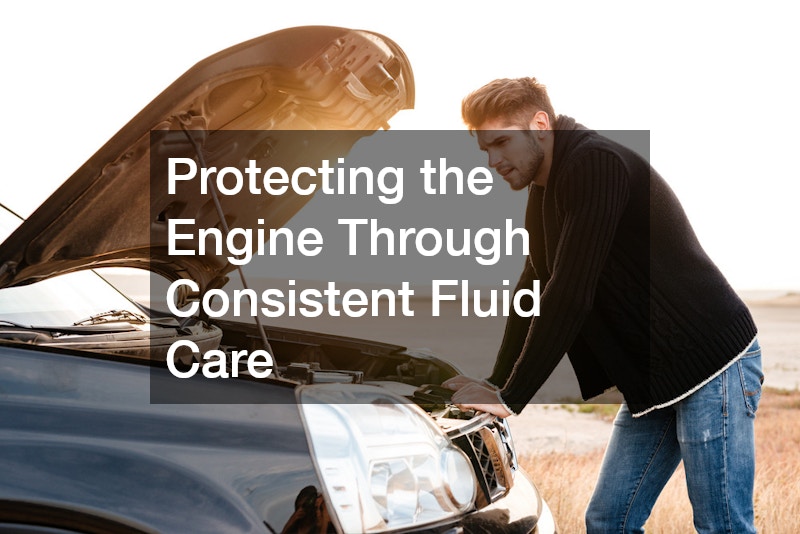
Once a dependable service partnership is established, the next phase of the maintenance blueprint focuses directly on the engine’s core health. Motor oil is the absolute lifeblood of any internal combustion engine, working constantly to reduce the intense friction and extreme heat generated within the moving cylinders. Over time and miles, thermal stress causes the oil to break down, stripping away its vital lubricating properties and leaving internal metal components vulnerable to severe friction wear.
Regularly scheduling a local oil change is the single most effective action a driver can take to protect their engine block from premature failure. Fresh oil flushes away harmful carbon deposits, dirt particles, and microscopic metal shavings that naturally accumulate during normal driving conditions. Keeping clean fluid moving through the system maintains optimal fuel efficiency, keeps engine temperatures stable, and ensures that the internal components remain free of damaging sludge buildup. Skipping these basic fluid intervals causes accelerated wear, decreases performance, and can eventually lead to complete engine replacement. For this reason, clean oil remains the single least expensive insurance policy available to any motorist.
Maximizing Safety with Responsive Deceleration Systems
While engine reliability keeps a vehicle moving forward, the systems responsible for stopping the machine dictate overall safety on the road. The automotive braking system relies on precise hydraulic pressure to press high-friction pads against heavy metal rotors spinning at high speeds. This mechanical process naturally creates massive amounts of thermal energy, which causes the gradual, inevitable wear of the braking components over months of daily commuting.
Investing in a professional auto brake service at regular intervals guarantees that the vehicle can decelerate safely under all driving conditions. Certified technicians examine the thickness of the pads, check the rotors for signs of warping or heat scoring, and inspect the hydraulic lines for fluid leaks or moisture contamination. Addressing early warning signs such as a spongy pedal, high-pitched squealing, or steering wheel vibrations prevents minor wear from destroying expensive calipers and rotors. More importantly, it ensures maximum stopping power during unexpected, critical traffic situations. A vehicle that cannot accelerate causes an inconvenience, but a vehicle that cannot stop causes a tragedy.
Thermal Regulation and Active Cooling Mechanics
Mechanical reliability extends beyond the engine and brakes into the passenger cabin, where climate control plays a vital role in driver comfort and safety. An excessively hot cabin increases driver fatigue, reduces concentration, and makes long trips miserable for passengers. The modern automotive air conditioning system is a sealed, complex network that requires a perfect balance of chemical refrigerant, specialized oil, and precise pressure to function correctly.
When air vents begin blowing warm air during a summer heatwave, it typically indicates a small system leak or a component failure that requires immediate attention. Seeking professional auto AC repairs allows technicians to connect specialized diagnostic gauges, locate hidden leaks using ultraviolet dyes, and restore the exact refrigerant level required by the manufacturer. Timely service prevents the air conditioning compressor from seizing completely, an expensive failure that can ruin the accessory drive belt and leave the vehicle entirely inoperable on the side of the road.
Solar Deflection and Aesthetic Interior Enhancements
Active cooling systems work hard to drop cabin temperatures, but combining them with passive thermal defenses creates a much more efficient interior environment. Applying professional car window tinting to a vehicle’s side and rear glass offers a powerful, multi-layered shield against the elements. Modern automotive window films are engineered to reject a significant percentage of solar heat energy, keeping the cabin naturally cooler and drastically reducing the workload placed on the air conditioning system.
Beyond enhancing temperature control, high-quality window film acts as a barrier against destructive ultraviolet rays. These rays are notorious for damaging interior spaces, causing premium leather seats to crack, fabric upholstery to fade, and sensitive vinyl dashboards to become brittle and split over time. By blocking these harmful wavelengths, window films protect the physical value and aesthetic beauty of the vehicle’s interior. Additionally, the reduction in glare enhances visibility for the driver, making night driving safer and reducing eye strain during long daytime commutes.
Managing the Complexities of Specialized Foreign Imports
As a vehicle advances through its operational life, the specific engineering philosophy behind its design dictates the level of mechanical skill required for complex fixes. Standard domestic vehicle layouts are relatively uniform, but imported vehicles often feature advanced electronic networks, unique mechanical tolerances, and proprietary parts assemblies. Owners of these sophisticated vehicles must realize that general repair methods are often insufficient for maintaining peak performance standards.
Drivers who own premium foreign vehicles should always utilize specialized European car repair facilities to ensure appropriate service. These high-performance machines feature intricate variable valve timing, advanced multi-link suspension geometries, and complex computer modules that require brand-specific training and dedicated diagnostic equipment. Using incorrect fluids, generic parts, or improper installation techniques can easily disrupt the delicate balance of an import’s mechanical ecosystem. This specialized attention ensures the vehicle continues to deliver the precise handling and dynamic engine performance it was engineered to provide. Ultimately, precision imports require matching precision care to avoid diminished capabilities on the open road.
The Technical Expertise Behind Advanced Diagnostics
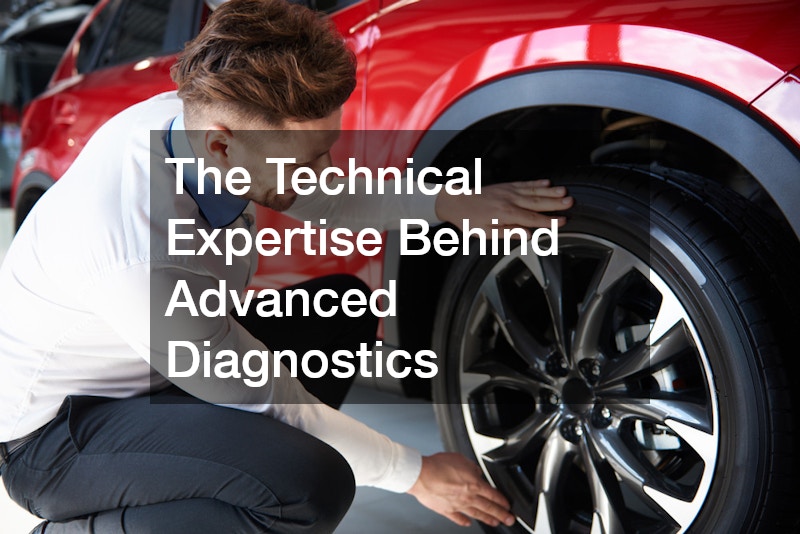
The exceptional sophistication of modern automobiles means that the individuals working inside the engine bay must possess advanced training and precise technical capabilities. Gone are the days when basic mechanical tasks could be resolved with a simple set of hand tools and intuition. Today’s vehicles act as rolling computers, containing dozens of interconnected electronic control units that monitor everything from fuel trims to active safety sensors.
Consequently, sourcing highly qualified mechanics is essential for the long-term health of any modern car or truck. These professionals undergo continuous education to stay updated on evolving automotive technologies, software updates, and complex diagnostic procedures. They understand how to interpret diagnostic trouble codes, read real-time data streams, and execute repairs according to exact factory torque specifications. Entrusting a vehicle to certified experts guarantees that complex problems are accurately diagnosed the first time, preventing expensive guesswork and keeping the vehicle performing safely at its absolute limit.
Preserving Structural Geometry and Chassis Balance
Beyond electronic modules and powertrain components, the physical skeletal framework of a vehicle requires careful monitoring to ensure safety and predictable handling. The vehicle chassis serves as the foundation for the entire suspension and steering assembly. Everyday driving road hazards, such as hitting deep potholes at highway speeds, clipping concrete curbs, or experiencing minor low-speed collisions, can easily impart enough force to shift critical metal components out of their correct alignment.
Rectifying these subtle structural shifts requires a professional frame alignment performed by experienced specialists. This process utilizes advanced computerized laser measuring systems to inspect the chassis against original factory blueprints down to the millimeter. Restoring the structural foundation to its exact geometric specifications guarantees that the vehicle tracks perfectly straight down the road, prevents rapid and uneven tire wear, and restores balanced handling characteristics. Proper structural alignment also ensures that the vehicle’s built-in collision crumple zones will deploy exactly as designed during a major accident.
Restoring Optical Perfection and Glass Rigidity

Structural integrity is also tied directly to the vehicle’s automotive glass, particularly the front shield, which provides up to thirty percent of the cabin’s structural strength during a rollover event. A tiny stone chip sustained on the highway might seem like an insignificant cosmetic blemish at first glance. However, daily road vibrations, closing car doors, and sudden temperature fluctuations will inevitably cause that minor chip to expand into a large network of dangerous cracks.
Undergoing a professional windshield replacement becomes absolutely mandatory once a crack spreads across the driver’s line of sight or reaches the edge of the glass perimeter. Modern glass installation requires industrial-grade adhesives and strict adherence to curing times to guarantee the structural strength of the cabin remains intact. Along with this, technicians must meticulously recalibrate the advanced driver assistance cameras and sensors typically mounted behind the rear-view mirror. This precision work ensures that automatic emergency braking and lane-keeping systems continue to operate flawlessly.
Overcoming the Stress of Roadside Access Issues
Even with exceptional maintenance and structural care, the unpredictable nature of daily travel means that drivers will occasionally face unexpected situational emergencies. Many roadside disruptions have nothing to do with mechanical breakdowns under the hood, but instead stem from simple human error or minor component malfunctions. One of the most common and frustrating scenarios involves locking the keys inside the cabin, losing the transponder key entirely, or experiencing a sudden electronic key fob battery failure.
Being locked out of a vehicle creates an immediate safety hazard and intense stress, especially during extreme weather conditions or late at night. Attempting to force entry using coat hangers or improvised tools frequently results in damaged door seals, scratched paint, and broken internal window mechanisms. Securing a professional automotive lockout service provides a safe, non-destructive solution to the problem. Trained technicians use specialized tools to bypass security entry points quickly without causing any physical harm to the vehicle’s body or electrical locking systems.
Harmonizing the Lifecycle Plan for Long-Term Success
Managing an automobile successfully over its entire lifecycle requires viewing the machine as an evolving investment that demands regular, systematic attention. Every mile accumulated on the odometer alters fluid chemistry, wears down friction linings, and subjects the physical structure to environmental stress. True automotive peace of mind is achieved by blending consistent preventive maintenance, highly specialized technical repairs, and clear emergency readiness into a single cohesive strategy.
Keeping a detailed service log allows vehicle owners to anticipate upcoming maintenance milestones, track long-term wear patterns, and maximize the overall efficiency of their automobile. Moving away from a stressful mindset of reactive repair and embracing proactive stewardship eliminates the anxiety of unexpected mechanical breakdowns. A vehicle managed with precision, care, and regular professional oversight will reliably serve its owners for decades, proving that structured maintenance is the ultimate investment in long-term automotive freedom and safety.