A car accident is disorienting enough without discovering that your vehicle’s glass has been shattered, cracked, or knocked loose. Beyond the visible dents and dings, damaged glass can compromise your safety, your visibility, and even your car’s structural integrity on the drive home. Knowing what to inspect, what to fix immediately, and what can wait helps you make smart decisions in the stressful hours and days after a collision. This guide walks you through protecting your vision on the road and restoring your vehicle safely and affordably.
Assessing Windshield Damage Immediately After a Collision
The moments right after a crash are chaotic, but a quick visual check of your windshield can prevent a small problem from becoming a dangerous one. Look for spiderweb cracks, chips near the edges, or any area where the glass has separated from the frame. Even a hairline crack can spread rapidly due to temperature changes or road vibration, so documenting it with photos right away matters for insurance purposes.
If the damage looks minor, such as a small chip smaller than a quarter, it may be tempting to keep driving and deal with it later. However, structural integrity around the edges of the windshield is critical because it supports the roof during a rollover. When in doubt, treat any crack near the driver’s line of sight as an urgent safety issue that needs professional attention before you get back behind the wheel.
Deciding Between Minor Fixes and Full Panel Swaps
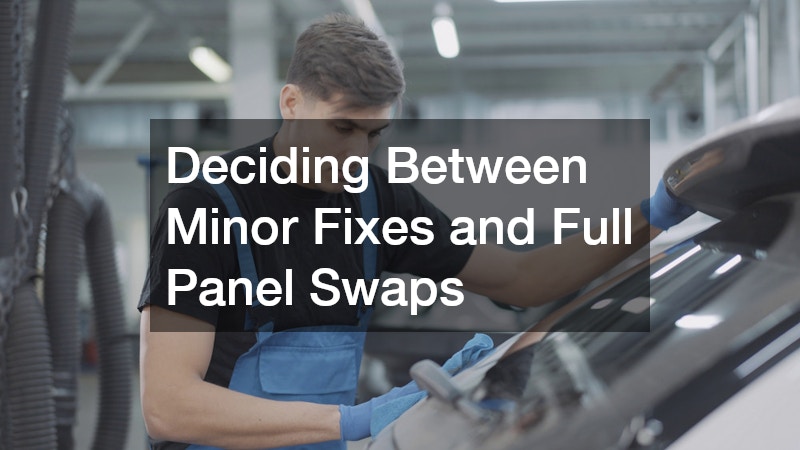
Not every damaged windshield needs to be swapped out entirely, and understanding the difference can save you both time and money. Small chips and short cracks, typically under six inches, are often good candidates for windshield repairs using a resin injection that restores clarity and strength. This process is usually completed in under an hour and prevents the damage from spreading further across the glass.
Location matters just as much as size when weighing your options. A chip sitting outside the driver’s direct line of sight is usually a safe repair candidate, while damage centered in front of the steering wheel may still warrant replacement even if it’s small, since any residual distortion there can affect visibility. Cracks that reach the edge of the windshield are also more likely to spread under normal driving stress and often push the decision toward a full swap.
The type of damage plays a role too. Bullseyes, star breaks, and simple chips typically repair well, while combination breaks or damage that’s penetrated both layers of glass usually cannot be salvaged. If more than two or three chips are scattered across the windshield, most technicians will recommend replacement rather than patching each spot individually, since the structural integrity of the glass is already compromised.
Cost is another practical factor. A basic repair often runs far less than a full replacement, and many insurance policies waive the deductible for repairs since it’s cheaper than paying for new glass down the road. Weighing these details before deciding helps ensure your windshield holds up structurally and keeps your view of the road as clear as possible.
Larger cracks, damage in the driver’s direct line of sight, or multiple impact points usually call for windshield replacement instead. As a general rule, chips wider than a quarter or cracks longer than three inches fall outside the range of a simple repair. Damage near the edges of the glass is also a red flag, since it weakens the structural bond between the windshield and the frame, making the whole panel more vulnerable in a future collision.
A full swap ensures the new glass bonds correctly to the frame and meets safety standards for airbag deployment and rollover protection. Many vehicles rely on the windshield to support the roof during a rollover and to give the passenger-side airbag something to push against as it deploys. If the glass isn’t properly seated or the adhesive hasn’t cured correctly, both of those safety systems can fail exactly when you need them most.
A qualified technician can evaluate the size, depth, and location of the damage to recommend the right path forward. They’ll also check whether your car has embedded sensors for lane-departure warnings or rain-sensing wipers, since these often need recalibration after a replacement. Getting that assessment before deciding saves you from either overpaying for an unnecessary swap or underestimating damage that repair alone can’t fix.
- Chips smaller than a quarter (about 1 inch) are often repairable, especially if resin is injected within a few days before dirt and moisture seep in
- Cracks longer than six inches typically require full replacement, since they compromise the glass’s structural integrity
- Damage directly in the driver’s sightline is a safety priority, even if small, because repairs can leave slight distortion that affects visibility
- Edge damage near the frame usually means the panel must be swapped, as cracks here spread faster due to stress from the vehicle’s frame
- Multiple chips or cracks clustered together often tip the decision toward replacement, even if each one individually seems minor
- Consider depth too: damage that penetrates both glass layers on a laminated windshield almost always requires full replacement
Inspecting Side and Rear Windows for Hidden Cracks
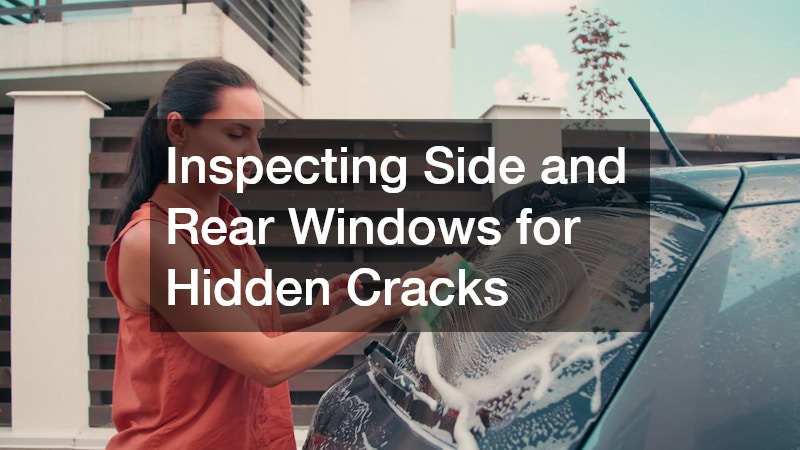
While the windshield gets most of the attention after a crash, side and rear windows are just as important for your overall visibility and safety. Tempered glass in these areas shatters differently than windshield glass, often crumbling into small pieces rather than cracking, which can leave your vehicle exposed to weather and theft. A thorough auto glass replacement inspection should cover every window, not just the one that took the direct hit.
Sometimes the impact from a collision travels through the frame and stresses a window on the opposite side of the vehicle. This delayed damage might not be obvious until days later when a window suddenly gives way. Checking all windows methodically, including power window function, helps catch these hidden issues before they become bigger headaches.
Choosing a Qualified Technician for Glass Restoration Work
Not all repair shops handle automotive glass the same way, and choosing the right provider affects both safety and long-term durability. A reputable glass company will use manufacturer-approved adhesives and glass that meets original equipment specifications, rather than cheaper aftermarket substitutes that may not fit as precisely. Look for the AGSC (Auto Glass Safety Council) registration or National Windshield Repair Association certification, as these indicate technicians have been trained on proper urethane curing times and installation procedures.
Ask specific questions before committing to a repair: What adhesive brand do they use, and what’s its minimum safe drive-away time? Some urethanes require just 30 minutes before the vehicle is safe to drive, while others need several hours to reach full bond strength. A trustworthy glass company will explain this clearly rather than rushing you back on the road prematurely.
Warranty terms matter too. Ask whether coverage includes leaks, wind noise, or stress cracks, and for how long — many reputable shops offer lifetime warranties on workmanship. Also confirm whether they handle insurance billing directly, since this can simplify the claims process significantly.
Finally, ask whether they calibrate advanced driver assistance systems, since many modern windshields house cameras and sensors tied to lane-keeping, automatic braking, and adaptive cruise control. Calibration typically requires either a static setup with targets in a controlled shop environment or a dynamic road test, sometimes both depending on the vehicle. Skipping this step can leave safety systems misaligned, so confirm the shop has the specific equipment for your vehicle’s make and model before scheduling the repair.
Mobile service is another factor worth considering, especially if your vehicle is not safe to drive after an accident. Many providers now come directly to your home or workplace to complete auto glass repairs on-site, which is convenient when you are juggling insurance claims and rental car arrangements. Ask upfront whether mobile technicians carry the same certifications and use the same adhesives and calibration tools as their in-shop counterparts, since a rushed roadside job can compromise the seal or windshield sensor alignment.
Before committing to a technician, request at least three quotes so you can compare pricing, warranty terms, and turnaround times. A significant price gap often signals a difference in materials, such as OEM versus aftermarket glass, which can affect clarity, fit, and long-term durability. Reputable shops should also be willing to explain their curing time recommendations, since driving too soon after a glass repair can weaken the bond and create a safety hazard.
Reading recent customer reviews, ideally from the past six to twelve months, gives a more accurate picture of current service quality than older testimonials. Look specifically for comments about calibration accuracy, punctuality, and how the company handled insurance paperwork, as these details reveal how well the technician manages the full repair process rather than just the glass installation itself.
Handling Insurance Claims for Glass Damage
Filing a claim for broken glass can feel overwhelming, but most auto insurance policies have specific provisions that make this process more straightforward than you might expect. Comprehensive coverage typically pays for glass damage caused by collisions, road debris, or falling objects, often with a separate and lower deductible than standard collision claims. Contact your insurer promptly and provide the photos and documentation you gathered at the scene to speed up approval.
Some states also have specific glass claim laws that waive the deductible entirely for windshield damage, so it is worth checking your local regulations before assuming you will pay out of pocket. Keep records of every estimate and invoice, since discrepancies between shops can occur. A little organization upfront prevents delays in getting your vehicle back on the road safely.
- Confirm whether your policy has a separate glass deductible
- Ask if your state waives deductibles for windshield claims
- Keep photos, receipts, and written estimates organized
- Report the claim within your insurer’s specified time window
Restoring Visibility With Proper Tinting After Repairs
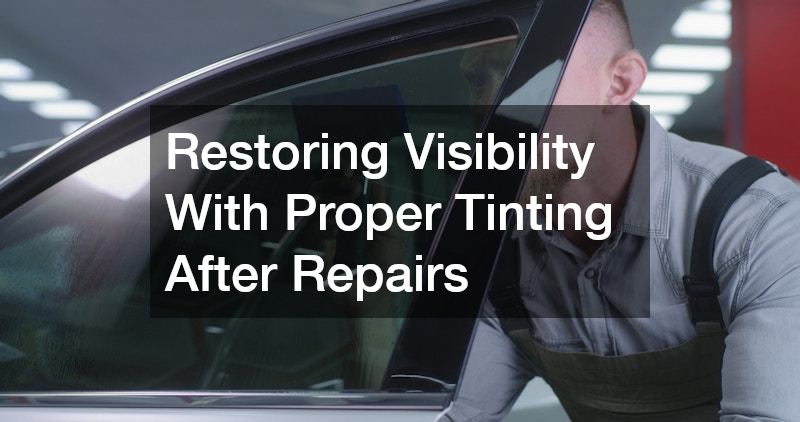
If your vehicle had tinted windows before the accident, replacing damaged glass often means the tint needs to be reapplied to match your previous setup. Professional auto tinting services can restore UV protection, reduce glare, and maintain the appearance you had prior to the collision. Skipping this step can leave new glass looking mismatched compared to the rest of your vehicle’s windows.
Beyond aesthetics, quality tint film also helps regulate cabin temperature and protects your skin and upholstery from sun damage. When scheduling glass work, ask whether the shop offers tinting as part of the restoration package or if you will need to arrange it separately afterward. Getting both done in the same visit often saves time and ensures consistent results across every window.
Addressing Damage to Vehicle and Property Glass Beyond the Car
Serious accidents sometimes extend beyond the vehicle itself, especially if a car crashes into a garage, storefront, or home entryway. In these situations, homeowners may suddenly find themselves needing a glass door replacement to secure the property and restore normal function. Broken sliding doors, shattered storm doors, or damaged entryways require prompt attention to prevent weather exposure and security risks.
For commercial properties or larger residential entries, an all glass entrance installation might be necessary if the original structure was extensively damaged or outdated. This kind of project involves more planning than a simple swap, including measurements, structural support, and sometimes permits depending on your local building codes. Getting a professional assessment early helps you understand the scope and timeline before repairs begin.
Preventing Further Damage While Awaiting Repairs
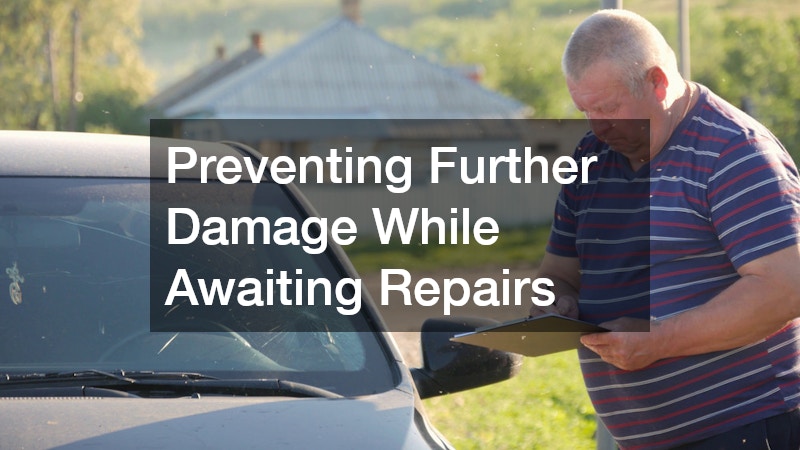
Once you know your vehicle or property has damaged glass, taking steps to prevent further harm is essential while you wait for a repair appointment. Covering a cracked windshield with a plastic sheet or avoiding car washes can prevent water infiltration and additional stress on the glass. For homes or businesses, boarding up broken windows or doors temporarily protects against weather and unauthorized entry.
Driving with significantly compromised glass is genuinely risky, since reduced visibility and structural weakness can worsen outcomes in a second incident. If your vehicle needs to replace broken glass before it is safe to operate, consider alternative transportation until repairs are complete. Prioritizing safety over convenience in these situations protects both you and everyone else sharing the road.
- Avoid car washes or high-pressure water near cracked glass
- Use temporary coverings to block wind and rain from entry points
- Skip long highway drives if visibility is significantly reduced
- Schedule repairs as soon as possible to avoid worsening damage
Scheduling Timely Glass Repair to Avoid Bigger Problems
Procrastinating on glass repair rarely pays off, since small chips and cracks tend to expand due to temperature swings, humidity, and everyday road vibration. What starts as a minor, inexpensive fix can turn into a full panel replacement if left unaddressed for weeks or months. Prompt glass repair also reduces the chance of debris or moisture entering the cabin and causing secondary damage to electronics or upholstery.
Many shops offer quick turnaround times for straightforward jobs, with some repairs completed within a single appointment. Scheduling service soon after an accident also makes the insurance documentation process cleaner, since the damage timeline stays clear and undisputed. Treating glass repair as a priority, rather than an afterthought, ultimately saves money and stress down the road.
Protecting your vision after an accident means taking damaged glass seriously, whether it is a small windshield chip or a shattered entryway at home. Acting quickly, choosing a qualified provider, and understanding your insurance options all work together to get you back to normal safely. Do not wait for a small crack to become a bigger hazard. Schedule an inspection soon, ask the right questions, and get the trusted repairs your vehicle or property needs.