That small light glowing on your dashboard is not just an annoyance to dismiss until your next oil change. It is your car’s way of flagging a problem while it is still cheap to fix, before it snowballs into a repair bill that rivals a car payment. Understanding what each warning light actually means gives you the power to act early, avoid roadside breakdowns, and keep more money in your pocket. This guide breaks down the most important dashboard alerts and what they are really telling you.
Decode the Check Engine Light Before It Gets Worse
The check engine light is the most misunderstood warning on your dashboard because it can mean anything from a loose gas cap to a failing sensor that affects fuel efficiency and emissions. A steady light usually signals a non-urgent issue, while a flashing light means the engine is misfiring and needs attention right away. Ignoring it for months often turns a fifty dollar sensor replacement into a much larger repair involving multiple engine components.
One of the most common culprits behind a lingering check engine light is a failing catalytic converter, which controls emissions and can be damaged further if the underlying issue is not addressed quickly. Left unresolved, this part can clog and choke engine performance, leading to costly replacement instead of a simple fix. Getting the code read as soon as the light appears is the fastest way to catch the problem before it spreads.
Understand the Temperature Gauge and Cooling System Alerts
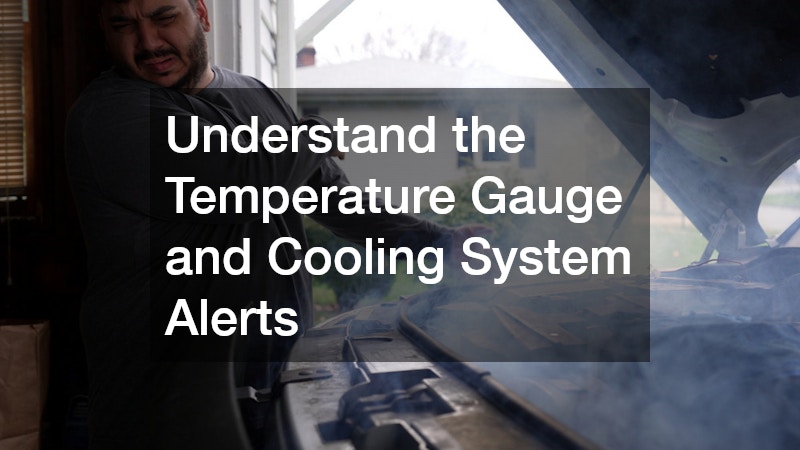
A rising temperature gauge or a dedicated coolant warning light means your engine is running hotter than it should, and this is one of the few dashboard alerts where pulling over immediately can save your entire engine. Most gauges sit comfortably in the middle range during normal driving; if the needle creeps toward “H” or a red thermometer icon appears, treat it as an emergency rather than something to monitor for a few more miles. Overheating happens for several reasons, including low coolant levels from a slow leak, a stuck thermostat that won’t allow coolant to circulate, a failing water pump, a clogged radiator, or a leaking hose. A quick visual check under the hood — after the engine has cooled — can sometimes reveal a cracked hose or a puddle of coolant, but many causes require a mechanic’s diagnosis. Continuing to drive on an overheating engine risks warping the cylinder head or blowing a head gasket, both of which are far more expensive than addressing the root cause early. A warped head or blown gasket repair can easily run $1,500 to $3,000 or more, compared to a $50 thermostat or a $150 water pump replacement caught in time. In the worst cases, sustained overheating can seize the engine entirely, turning a routine cooling system fix into a full engine replacement costing thousands of dollars. If you see the temperature warning, turn off the air conditioning, turn on the heater to draw heat away from the engine, and find a safe place to pull over as soon as possible. Let the engine cool for at least 15-20 minutes before checking coolant levels, and never open a hot radiator cap, since pressurized coolant can cause serious burns.
Your temperature gauge is designed to sit comfortably in the middle of its range, and any needle creeping toward “H” deserves immediate attention. Modern vehicles often pair this gauge with a dedicated warning light shaped like a thermometer floating in liquid, which illuminates when the engine is running hotter than it should. Ignoring either signal for even a short drive can warp a cylinder head or blow a gasket, turning a $150 fix into a $2,000 repair bill. Many cooling system problems trace back to a leak somewhere in the radiator, hoses, or connecting seals, and catching this early often means a straightforward radiator repair rather than a full engine rebuild. Signs to watch for include sweet-smelling steam under the hood, puddles of coolant on your driveway, or a heater that suddenly blows cool air. A failing thermostat or a slipping serpentine belt can produce similar symptoms, so a technician will typically pressure-test the system to pinpoint the exact source before recommending work. Coolant itself breaks down over time, losing its ability to resist corrosion and regulate temperature effectively. Most manufacturers recommend a flush every 30,000 to 50,000 miles, though checking your owner’s manual for the exact interval is worthwhile. Scheduling an inspection at the first sign of trouble keeps a manageable repair from becoming a major expense, and it often costs far less than the tow truck ride that follows a roadside breakdown.
Recognize the Oil Pressure Warning and Its Real Urgency
The oil pressure light is one of the most urgent warnings your car can display, and it should never be treated as optional to check later. Low oil pressure means your engine’s moving parts are not getting the lubrication they need, and metal-on-metal contact can happen within minutes. This kind of damage often cannot be undone and can lead to a seized engine that requires complete replacement.
- Check the oil level as soon as it is safe to pull over
- Look underneath the vehicle for signs of an active leak
- Avoid revving the engine or continuing to drive any distance
- Have the oil pump and pressure sensor tested if levels seem normal
- Schedule a professional inspection even if the light turns off
Interpret the Transmission Warning Light and Shifting Problems
A transmission warning light or unusual shifting behavior, such as delayed engagement or grinding between gears, points to a system that is expensive to ignore. Modern transmissions rely on precise fluid pressure and electronic sensors, so even a minor fluid leak or a failing solenoid can trigger noticeable performance issues. Catching these symptoms early often means the difference between a manageable repair and a full rebuild.
Bringing your vehicle to a qualified transmission repair shop as soon as symptoms appear gives technicians the chance to diagnose the issue before internal components suffer more damage. Waiting too long can turn a fluid service or sensor replacement into a transmission replacement, which is one of the costliest repairs a vehicle owner can face. If your car hesitates, slips, or makes a clunking noise when shifting, treat it as a warning worth acting on quickly rather than something to monitor for a few more weeks.
Pay Attention to the Battery and Charging System Alert
A battery-shaped warning light usually points to a problem with the charging system rather than the battery itself, most often an alternator that is no longer keeping up with your car’s electrical demands. Dimming headlights, slow window motors, or difficulty starting the car are all early clues that something in the charging system is struggling. Addressing this early prevents the frustrating experience of being stranded with a car that will not start.
Because a failing alternator can drain a healthy battery in a single drive, this is not a light to postpone dealing with until the weekend. A quick voltage test can confirm whether the issue lies in the battery, the alternator, or the wiring connecting them. Replacing a battery every few years as part of routine maintenance also reduces the odds of this warning showing up unexpectedly.
Understand the Meaning Behind the Brake System Warning
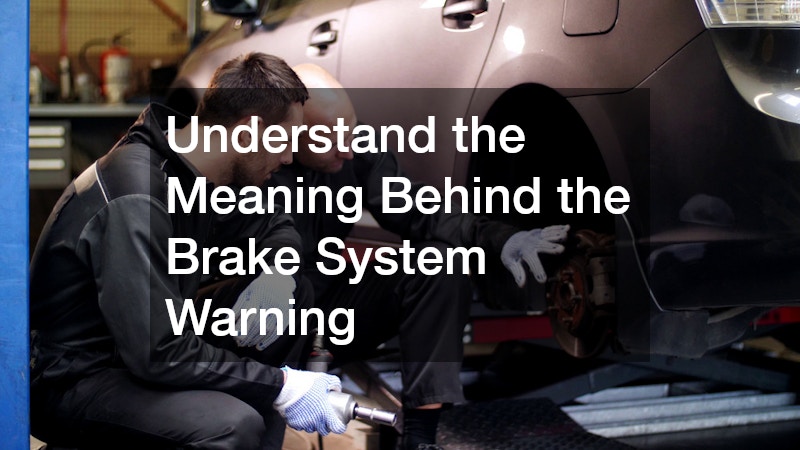
The brake warning light can indicate anything from low brake fluid to a more serious issue with brake pad wear or a failing hydraulic component. Since brakes are the single most important safety system on your vehicle, this is a light that deserves immediate attention rather than a wait-and-see approach. Squealing, grinding, or a soft pedal feel alongside the warning light are strong signs that a closer inspection is overdue.
Routine brake repair, including pad replacement and fluid flushes, is far less expensive than what happens when worn components damage rotors or calipers beyond repair. Many drivers put off service until they hear metal grinding, but by then the cost has often doubled or tripled. Treating the warning light as your cue to schedule service protects both your wallet and your safety on the road.
Watch for Tire Pressure and Wheel Alignment Indicators
The tire pressure monitoring light is one of the easiest warnings to dismiss, yet underinflated tires wear unevenly, reduce fuel economy, and increase the risk of a blowout at highway speed. Most tires lose about 1 PSI for every 10-degree drop in outside temperature, so this light often appears during seasonal changes rather than signaling a dramatic failure. A tire running just 20% below its recommended pressure can shorten its lifespan by thousands of miles while quietly driving up fuel costs. It’s worth checking your owner’s manual or driver-side door jamb for the manufacturer’s recommended PSI, since factory-installed gauges sometimes mislead drivers into using the number printed on the tire’s sidewall instead. That sidewall figure is actually the tire’s maximum pressure rating, not the ideal setting for your vehicle. Checking pressure monthly with a simple gauge, ideally when tires are cold, can prevent this warning from becoming a recurring nuisance. Wheel alignment issues deserve equal attention, even though they rarely trigger a dedicated dashboard light. Pulling to one side, uneven tread wear, or a steering wheel that sits slightly off-center are the real-world clues that alignment has drifted, often after hitting a pothole or curb. Left unaddressed, poor alignment forces tires to work against each other, shaving thousands of miles off their usable life and straining suspension components that are far more expensive to replace than a routine alignment service.
Your Tire Pressure Monitoring System (TPMS) light typically activates when pressure drops about 25% below the manufacturer’s recommended PSI, which you can find on a sticker inside the driver’s door frame. A quick top-off at the gas station often solves the problem temporarily, but if the light keeps returning even after you add air, there may be a slow leak from a damaged rim or a puncture that needs professional attention. A bent or corroded rim can prevent tires from sealing properly, allowing air to escape gradually even without a visible puncture. This is especially common after hitting a deep pothole or curb, which can crack the bead seal or warp the metal slightly. Rim repair is usually far cheaper than replacing the wheel outright, often costing between $50 and $150 depending on the damage, compared to several hundred dollars for a new wheel. Meanwhile, an illuminated alignment or ABS-related light can signal uneven tire wear caused by misaligned wheels, which forces your suspension to compensate constantly. Left unaddressed, this can wear down ball joints, tie rods, and bushings far sooner than expected. Having your wheels and tires inspected together—checking tread wear patterns, pressure consistency, and rim condition—gives you a clearer picture of what’s actually happening. Keeping your wheels and tires properly maintained also protects your vehicle’s alignment and suspension components from unnecessary wear, saving you from costlier repairs down the road.
Know When a Warning Light Involves Your Insurance and Records
Many drivers do not realize that ignoring a warning light and driving with a known mechanical problem can complicate a claim if that issue contributes to an accident or breakdown. Keeping records of when a warning light appeared and when it was addressed can matter if you ever need to discuss coverage details with your auto insurance agency. Insurers sometimes ask about maintenance history when evaluating claims involving mechanical failure.
Beyond claims, staying on top of dashboard warnings can actually support lower long-term costs by preventing the kind of major failures that lead to expensive claims in the first place. It is worth asking your provider whether they offer any incentives for vehicles with documented maintenance histories. A quick conversation now can save confusion later if a warning light ever factors into a larger vehicle issue.
Choose the Right Professional Help for Dashboard Warnings
Not every warning light requires a dealership visit, and a reputable local auto shop can often diagnose and resolve common issues faster and at a lower cost. Look for a shop with certified technicians, transparent pricing, and the diagnostic equipment needed to read and clear error codes accurately. Getting a second opinion is always reasonable if a suggested repair seems unusually expensive or unclear.
- Ask whether the shop specializes in your vehicle’s make or issue type
- Request a written estimate before any work begins
- Confirm whether diagnostic fees are waived if you proceed with the repair
- Check online reviews for feedback on honesty and turnaround time
- Keep receipts and diagnostic reports for your own maintenance records
Dashboard warning lights are not designed to annoy you, they are designed to protect you from far bigger expenses and dangerous breakdowns down the road. The moment a light appears, take a few minutes to identify what it means and whether it requires immediate action or a scheduled appointment. Acting early, rather than hoping the light turns off on its own, is the single most effective habit for keeping repair costs manageable and your vehicle running reliably for years to come.