Introduction
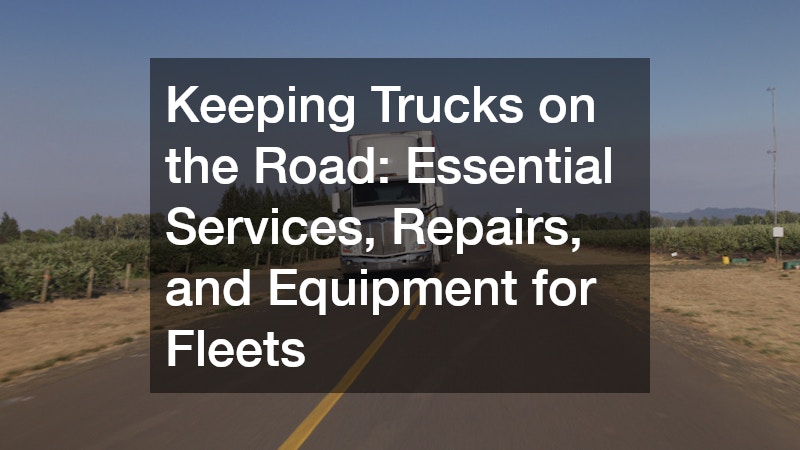
In the trucking industry, reliability is everything. Whether a company operates a handful of work trucks or manages a large commercial fleet, keeping vehicles running safely and efficiently is critical for maintaining productivity and meeting deadlines. When trucks are out of service due to mechanical issues, accidents, or equipment failures, the consequences can include delayed deliveries, lost revenue, and frustrated clients.
Fleet managers face the constant challenge of balancing maintenance costs with operational efficiency. Trucks operate in demanding conditions—hauling heavy loads, traveling long distances, and enduring extreme weather. Over time, these factors place significant strain on vehicles, making preventative care and timely repairs essential.
Fortunately, a wide range of professional services and equipment solutions exist to help fleet operators maintain uptime and extend the lifespan of their vehicles. From repair services that prevent breakdowns to equipment upgrades that protect trucks and improve functionality, strategic investments in maintenance and support can dramatically reduce long-term operating costs.
This guide explores the essential services, repairs, and equipment that help trucking companies keep their vehicles on the road and their operations running smoothly.
Planning Backup Transportation to Avoid Operational Disruptions
Even the best-maintained fleets occasionally face unexpected downtime. A breakdown, accident, or scheduled repair can temporarily remove a vehicle from service, potentially disrupting operations. Having access to temporary replacement vehicles allows companies to continue serving customers without interruption.
One valuable resource for businesses that transport perishable goods is working with a refrigerated truck rental company. These providers offer specialized trucks designed to maintain precise temperature conditions for food, pharmaceuticals, and other sensitive cargo. When a refrigeration unit fails or a truck requires maintenance, renting a replacement with a reputable refrigerated truck rental company ensures deliveries can continue without risking product spoilage.
Construction, landscaping, and infrastructure projects may also require temporary equipment. In these situations, partnering with a dump truck rental company can help maintain productivity when existing trucks are undergoing repairs or when demand exceeds fleet capacity.
Situations Where Temporary Trucks Are Helpful
Businesses rely on rental trucks in several common scenarios:
-
Emergency replacements when a vehicle breaks down
-
Seasonal increases in demand requiring additional trucks
-
Short-term projects requiring specialized vehicles
-
Temporary replacements during scheduled maintenance
-
Expanding services before purchasing additional fleet vehicles
Rental trucks can serve as a flexible solution that allows companies to maintain operations while controlling costs.
Tips for Choosing the Right Rental Partner
When selecting a rental provider, fleet managers should consider several important factors:
-
Availability of vehicles that match existing fleet specifications
-
Maintenance standards and inspection procedures
-
Flexible rental terms for short- or long-term needs
-
Emergency replacement options
-
Clear pricing structures and insurance coverage
Working with a reliable dump truck rental company and rental partners can become valuable extensions of a company’s operational strategy.
Integrating Rental Vehicles into Fleet Operations
To ensure smooth operations when adding rental vehicles to a fleet, companies should:
-
Verify compatibility with existing logistics systems
-
Provide drivers with training on unfamiliar equipment
-
Confirm insurance coverage for temporary vehicles
-
Document vehicle condition at pickup and return
These steps help prevent operational issues and ensure rental vehicles support the fleet effectively.
Protecting Truck Beds from Wear and Cargo Damage

Work trucks often carry heavy tools, equipment, and materials that can damage exposed metal surfaces. Over time, repeated loading and unloading can cause scratches, dents, and corrosion, reducing the lifespan of the truck bed and affecting the vehicle’s resale value.
Installing a truck bed liner provides a protective barrier that shields the metal from impact, moisture, and chemical exposure. Liners are commonly made from durable materials such as spray-on coatings, rubber mats, or molded plastic inserts.
For trucks that transport tools or equipment, truck toppers can add an additional layer of protection by covering the cargo area. These covers help shield cargo from weather conditions while also providing enhanced security.
Benefits of Bed Protection Systems
Using protective equipment offers several advantages:
-
Prevents rust and corrosion caused by moisture exposure
-
Reduces scratches and dents from heavy cargo
-
Protects the vehicle’s resale value
-
Improves cargo stability during transport
-
Creates a more professional appearance for work vehicles
These improvements help trucks remain functional and visually appealing even after years of heavy use.
Types of Bed Protection Options
Fleet managers can choose from several types of bed protection systems:
-
Spray-on liners that create a permanent protective coating
-
Drop-in liners that provide removable protection
-
Rubber bed mats designed for temporary coverage
-
Aluminum or fiberglass covers for added durability
Each option of a truck bed liner offers different levels of protection depending on the vehicle’s workload.
Maintenance Tips for Long-Term Protection
To maximize the lifespan of protective equipment, regular maintenance is important:
-
Clean debris and dirt from the bed regularly
-
Inspect liners for cracks or peeling
-
Tighten mounting hardware on protective covers
-
Address damage early to prevent corrosion
Routine care ensures these protective upgrades continue performing effectively.
Responding Quickly to Mechanical Failures on the Road
Even with consistent maintenance, mechanical failures sometimes occur during long-distance travel. When trucks break down far from repair facilities, rapid response services are essential for protecting both drivers and cargo.
Professional tow truck services provide roadside assistance and vehicle recovery when trucks experience mechanical issues, accidents, or tire failures. These services ensure vehicles are safely transported to repair facilities without causing additional damage.
For larger commercial trucks and equipment, heavy duty towing services are required. These specialized recovery providers use powerful tow vehicles and equipment designed to handle large loads and oversized vehicles.
Common Reasons Trucks Require Towing
Commercial trucks may need towing assistance for several reasons:
-
Engine or transmission failure
-
Tire blowouts that cannot be repaired roadside
-
Electrical system malfunctions
-
Collisions or road accidents
-
Overheating engines during long hauls
Having a reliable towing partner ensures drivers receive assistance quickly when these situations arise.
What Drivers Should Do During a Breakdown
When a breakdown occurs, drivers should follow these steps:
-
Pull over safely away from traffic if possible
-
Activate hazard lights immediately
-
Set up reflective warning triangles behind the vehicle
-
Contact dispatch or fleet management
-
Request professional recovery assistance
Taking these precautions helps protect drivers and other motorists while waiting for help.
Choosing the Right Recovery Provider
Fleet managers should evaluate towing providers carefully. Important considerations include:
-
Experience handling commercial trucks
-
Availability of large-capacity towing equipment
-
Fast response times for roadside emergencies
-
Clear communication and pricing policies
Establishing partnerships with trusted recovery providers ensures quick response during emergencies.
Performing Critical Repairs Without Delaying Deliveries
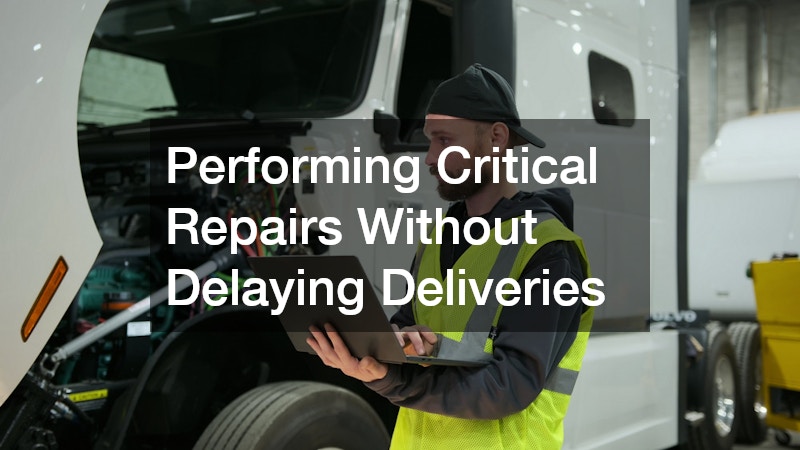
Time is one of the most valuable resources in the trucking industry. When vehicles need repairs, minimizing downtime becomes a top priority. Flexible repair options help fleets address mechanical issues quickly while maintaining tight delivery schedules.
One solution that has become increasingly popular is mobile trailer repairs. These services bring technicians directly to the truck’s location, allowing many repairs to be completed onsite rather than requiring transport to a shop.
Mobile technicians can address issues such as lighting problems, brake adjustments, damaged doors, and structural trailer damage.
Advantages of Onsite Repairs
Mobile repair services provide several benefits for fleets:
-
Reduced downtime compared to shop repairs
-
Immediate response to roadside mechanical issues
-
Elimination of towing costs for minor problems
-
Increased scheduling flexibility for fleet operators
These advantages make onsite repair services an efficient solution for many trucking companies.
Another important maintenance priority involves diesel truck repairs. Diesel engines are built for durability but still require regular service to maintain optimal performance.
Common Diesel Engine Issues
Several mechanical issues can affect diesel-powered trucks over time and may lead to major diesel truck repairs:
-
Fuel injector problems
-
Turbocharger wear
-
Exhaust system blockages
-
Cooling system malfunctions
-
Oil contamination or leaks
Addressing these problems early can prevent costly engine damage.
Preventive Maintenance for Diesel Engines
To reduce the risk of breakdowns and mobile trailer repairs, fleets should implement preventive maintenance practices such as:
-
Regular oil and filter changes
-
Monitoring coolant and fuel system performance
-
Inspecting belts and hoses for wear
-
Checking engine diagnostics for early warning signs
Consistent maintenance keeps diesel engines operating efficiently and reliably.
Strengthening Fleet Branding and Visibility on the Road
Trucks spend countless hours on highways, city streets, and job sites. This visibility provides a unique opportunity for companies to promote their brand and services to thousands of potential customers every day.
Applying commercial vehicle wraps is one of the most effective ways to transform trucks into mobile advertising platforms. These large vinyl graphics can display company logos, contact information, and marketing messages across the vehicle’s exterior.
Benefits of Vehicle Branding
Professional vehicle graphics provide several marketing advantages:
-
Increased brand visibility in local markets
-
Professional appearance for company vehicles
-
Cost-effective long-term advertising
-
Consistent branding across multiple fleet vehicles
For many businesses, fleet graphics serve as a powerful marketing tool that works continuously.
Designing Effective Vehicle Graphics
When creating a vehicle wrap design, companies should focus on:
-
Simple and clear messaging
-
Large, readable fonts
-
High-contrast colors for visibility
-
Easy-to-read contact information
These elements ensure branding remains visible even when trucks are traveling at highway speeds.
Maintaining Vehicle Graphics
To keep graphics looking professional, drivers and fleet managers should:
-
Wash trucks regularly using gentle cleaning products
-
Avoid abrasive brushes that could damage vinyl
-
Repair damaged sections promptly
Proper care ensures vehicle graphics continue promoting the business effectively.
Outfitting Trucks for Better Organization and Utility
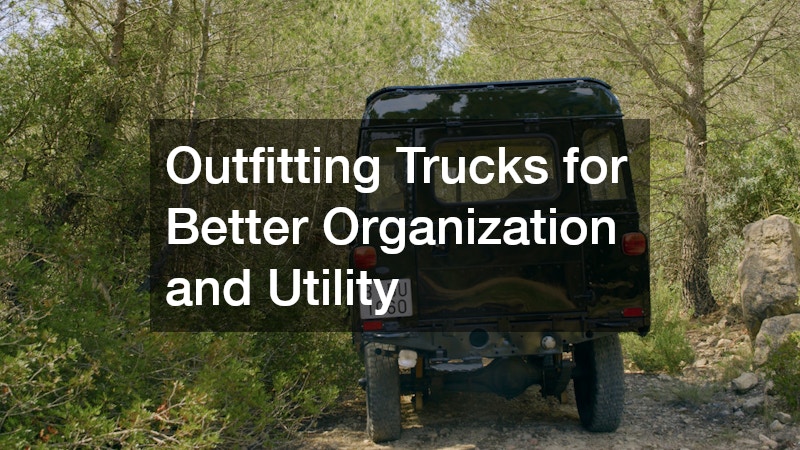
Different industries require specialized equipment to help drivers perform their jobs efficiently. Customizing trucks with the right accessories and storage solutions improves organization, safety, and productivity.
Some fleet operators rely on specialized suppliers such as a jeep accessory company when outfitting vehicles designed for rugged terrain or utility work. These suppliers often offer durable accessories designed for off-road environments, making them useful for industries such as construction, forestry, and emergency response. Working with an experienced jeep accessory company can also help fleet managers identify the most practical upgrades for trucks that operate in rough conditions or remote job sites.
Examples of Useful Truck Accessories
Several equipment upgrades can improve vehicle functionality:
-
Lockable tool storage compartments
-
Roof racks for carrying ladders and materials
-
Heavy-duty bumpers and protective guards
-
Auxiliary lighting for nighttime work
-
Reinforced suspension systems for heavy loads
These accessories help drivers work more efficiently while protecting their equipment.
Improving Organization for Work Vehicles
Maintaining organized storage areas inside trucks offers several benefits:
-
Faster access to tools and equipment
-
Reduced risk of damage to cargo
-
Improved driver safety during transport
-
Increased productivity on job sites
Well-organized vehicles allow drivers to focus on their tasks rather than searching for equipment.
Choosing Durable Equipment for Demanding Environments
When selecting accessories for fleet vehicles, companies should prioritize durability and reliability. Equipment designed for harsh environments can withstand heavy use and minimize maintenance costs.
Investing in high-quality accessories ensures trucks remain functional even under demanding working conditions.
Creating a Preventive Maintenance Strategy for Fleet Longevity

Preventive maintenance is the foundation of any successful fleet management strategy. Regular inspections and scheduled service help identify potential issues before they become major mechanical failures.
A comprehensive maintenance program should include routine inspections, diagnostic testing, and documentation of all repairs.
Key Components of a Preventive Maintenance Plan
An effective maintenance program typically includes:
-
Regular oil and filter changes
-
Tire inspections and rotations
-
Brake system checks
-
Fluid level monitoring
-
Electrical system diagnostics
These inspections help ensure vehicles remain safe and reliable.
Training Drivers to Support Maintenance Goals
Drivers play an important role in fleet maintenance. Companies should encourage drivers to report issues promptly and perform basic daily inspections before starting their routes.
Important driver inspection tasks include:
-
Checking tire pressure and condition
-
Inspecting lights and signals
-
Looking for fluid leaks
-
Monitoring unusual engine noises
Driver awareness helps identify problems early.
Tracking Maintenance and Repairs
Maintaining detailed service records helps fleet managers track vehicle performance and anticipate future maintenance needs. Digital fleet management systems can simplify this process by storing service records, scheduling maintenance reminders, and monitoring vehicle diagnostics.
These systems provide valuable insights that help improve long-term fleet reliability.
Conclusion
Keeping trucks on the road requires more than simply fueling vehicles and assigning drivers. Successful fleet management depends on a combination of preventive maintenance, reliable repair services, and strategic equipment upgrades. Each of these elements contributes to the overall efficiency and longevity of commercial vehicles.
By investing in regular inspections, responsive repair services, and practical vehicle upgrades, fleet operators can significantly reduce downtime and extend the life of their trucks. Access to professional support services also ensures that unexpected breakdowns and operational challenges can be resolved quickly.
A proactive approach to fleet maintenance not only protects vehicles but also strengthens business operations. Companies that prioritize reliability, organization, and long-term planning are better positioned to maintain consistent service and build strong relationships with their clients.
With the right strategies and partnerships in place, fleet managers can ensure their trucks continue performing at their best—keeping goods moving, projects on schedule, and businesses operating smoothly.