A collision can turn your daily routine upside down in a matter of seconds, leaving you with a damaged vehicle, a stack of paperwork, and a lot of unanswered questions. Understanding how insurance claims actually work can mean the difference between a smooth recovery and months of frustration. This guide breaks down the practical steps to take after a crash, from documenting the scene to getting your car repaired and back on the road. Whether your vehicle needs minor cosmetic fixes or major structural work, knowing what to expect helps you make confident decisions.
Documenting the Scene and Filing Your Initial Report
The moments right after a collision set the tone for your entire claim, so gathering evidence matters more than most people realize. Take photos of all vehicles involved, the surrounding road conditions, and any visible injuries before anything gets moved. Exchange insurance information with the other driver and get contact details from any witnesses who saw what happened.
- Photograph license plates, vehicle damage, and skid marks from multiple angles
- Write down the exact time, location, and weather conditions
- Request a copy of the police report once it becomes available
- Avoid admitting fault or speculating about causes at the scene
Understanding What Your Policy Actually Covers
Insurance policies contain layers of coverage that many drivers never fully review until they need them. Liability coverage pays for damage and injuries you cause to others, and it’s typically split into per-person and per-accident limits, such as 100/300/100, meaning $100,000 per injured person, $300,000 per accident for bodily injury, and $100,000 for property damage. If your policy limits are too low, you could be personally on the hook for costs that exceed them after a serious crash. Collision coverage pays for damage to your own vehicle regardless of who caused the accident, but it comes with a deductible you choose, often ranging from $250 to $1,000. A higher deductible lowers your premium but means more out-of-pocket cost when you file a claim, so it’s worth weighing against your savings buffer. Comprehensive coverage steps in for non-collision events like theft, vandalism, or weather damage, which matters if a hailstorm cracks your glass, a falling branch dents your hood, or a deer runs into your path. This coverage also typically carries its own separate deductible, and some insurers offer lower deductibles specifically for glass repair or replacement. Beyond these three core coverages, many policies include add-ons worth understanding before an accident happens. Uninsured/underinsured motorist coverage protects you if the at-fault driver has no insurance or too little to cover your damages, while medical payments or personal injury protection covers treatment costs regardless of fault. Checking these details now, rather than during a stressful claims call, can prevent costly surprises later.
Deductibles play a major role in what you actually pay out of pocket, so it helps to know your number before an accident happens. Common collision deductibles range from $250 to $1,000, and the amount you choose directly affects your claim payout. For example, if your car sustains $4,000 in damage and your deductible is $500, your insurer covers $3,500 while you cover the rest. A lower deductible means smaller upfront costs but typically higher monthly premiums, while a higher deductible does the opposite. If you have enough savings to comfortably cover a $1,000 deductible, choosing that option could lower your premium noticeably over the life of the policy. On the other hand, drivers who want predictable, minimal out-of-pocket expenses after an accident may prefer a lower deductible despite the added monthly cost. Beyond the deductible itself, it is worth checking whether your policy includes separate deductibles for collision versus comprehensive claims, since these can differ. Some insurers also offer diminishing deductible programs that reduce your deductible for every claim-free year. Reviewing your declarations page annually ensures you are not caught off guard by unexpected coverage gaps. This is also a good time to confirm your coverage limits still match your car’s current value, since over- or under-insuring can cost you money either way.
Getting an Accurate Repair Estimate From a Trusted Shop
Once your claim is approved, the next step is finding a shop that can give you a realistic estimate for the work involved. A reputable auto repair facility will inspect the frame, suspension, and electrical systems, not just the visible dents, because hidden damage often costs more than what meets the eye. Getting a second opinion is reasonable if the first estimate seems unusually high or low compared to similar repairs.
Insurance adjusters sometimes work with preferred repair networks, but you generally have the right to choose your own shop. Ask for a written estimate that breaks down parts, labor, and paint work separately so you can compare it against what your insurer is willing to pay. Keeping copies of every estimate and invoice protects you if a dispute arises later.
Replacing Cracked Glass and Restoring Visibility
Windshields and windows are frequently overlooked in the chaos after a crash, yet they are critical for both safety and legal compliance. If your windshield cracked or shattered during the collision, auto windshield replacement is often covered under comprehensive or collision coverage depending on your policy terms. Driving with compromised glass reduces structural support for the roof and can obstruct your view, so this repair should not be delayed.
Many shops now use adhesive systems that require a curing period before the vehicle is safe to drive, so plan for a short waiting window after the work is done. Some drivers also take the opportunity to add window tinting once new glass is installed, both for privacy and to reduce glare while driving. Check your local regulations first, since tint darkness limits vary by state and can affect inspection results.
Addressing Brake and Suspension Damage After Impact
Even a low-speed collision can throw off components that keep your car stopping and handling correctly. Brake lines, calipers, and rotors can suffer hidden stress fractures that are not obvious during a quick visual check. Scheduling brake repair as part of your post-collision inspection ensures the system responds properly before you get back on busy roads.
Suspension components like control arms and struts absorb a lot of force during impact, and misalignment often follows even minor fender benders. If you notice your car pulling to one side or your tires wearing unevenly after the accident, a truck alignment or standard alignment service should be part of the repair plan. Skipping this step can lead to premature tire wear and reduced fuel efficiency down the road.
Handling Larger Vehicles and Commercial Fleet Damage
Collisions involving pickups, vans, and larger trucks often come with additional complexity, especially when the vehicle is used for work or towing. Commercial policies sometimes have different claim processes than personal auto policies, including separate adjusters and documentation requirements. Getting truck repair started quickly matters more when the vehicle is your primary source of income, since downtime translates directly into lost earnings.
Larger vehicles also tend to have more expensive parts and specialized labor requirements, which can affect how insurers calculate settlement offers. It helps to request itemized quotes that separate frame work, bed or cargo area repairs, and mechanical fixes so you understand exactly where the money is going. Keeping detailed maintenance records before the accident can also strengthen your claim by showing the vehicle was in good working condition beforehand.
Determining Whether Your Car Is a Total Loss
Insurers use a formula comparing repair costs to the vehicle’s actual cash value to decide whether repairing or replacing makes more financial sense. If repair estimates approach or exceed that value, the insurance company will likely declare the car a total loss and offer a settlement instead. This is often the point where people start searching things like whats my car worth to understand whether the payout they are being offered feels fair.
Researching comparable sales in your area, checking the vehicle’s mileage and condition history, and reviewing any recent upgrades can help you build a case for a higher settlement if you disagree with the initial offer. Insurers are generally open to negotiation when you provide solid documentation. Do not be afraid to push back if the number feels lower than what similar vehicles are actually selling for.
Restoring Appearance With Cosmetic and Custom Finishes
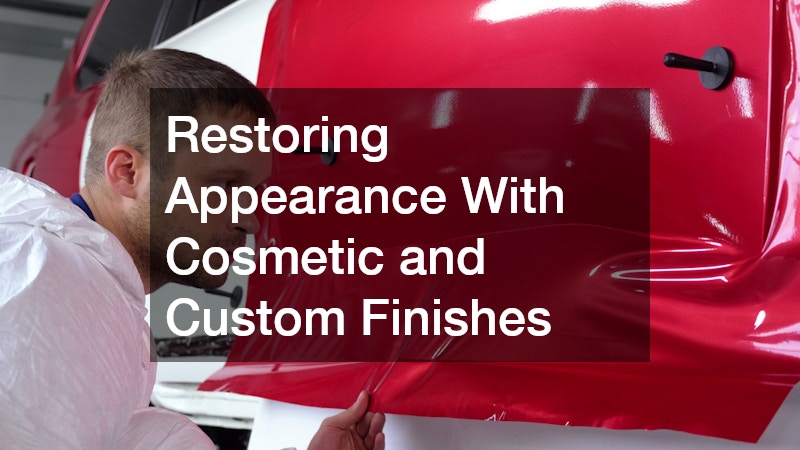
Once structural and mechanical repairs are complete, many drivers want their vehicle to look as good as it did before the accident, or even better. This is where insurers and body shops often part ways on what counts as “necessary” versus “cosmetic,” so it’s worth understanding your options and their costs before signing off on a repair estimate. A car wrap can be a practical solution when panel damage affects a large section of the body, since it often costs less than a full repaint while still delivering a clean, uniform finish. Vinyl wraps typically run between $2,500 and $5,000 for a full vehicle, compared to $3,000 to $10,000 or more for a quality paint job, depending on the make and model. Wraps also install faster, often within two to three days, which can matter if you’re paying out of pocket for a rental car while repairs are underway. Wraps also offer flexibility in color and finish, which appeals to drivers who want something distinctive after an unwanted change to their vehicle’s appearance. Matte, satin, chrome, and even carbon-fiber-look finishes are all available, letting owners upgrade the look rather than simply restore it. Keep in mind that most wraps last five to seven years with proper care, so it’s worth weighing that lifespan against your plans for keeping the vehicle long-term. If your insurer is only willing to cover the cost of restoring the car to its pre-accident condition, ask whether the difference between a basic repaint and a wrap upgrade can be applied as an out-of-pocket supplement. Many body shops are willing to itemize this distinction on the estimate, making it easier to negotiate with your adjuster.
Cosmetic damage from a collision isn’t limited to cars and trucks. For those with boats damaged during towing accidents or stored on trailers involved in a collision, boat detailing services can help restore the hull and interior surfaces that suffered scuffs, scratches, or grime buildup during the incident. Professional detailing typically includes oxidation removal, gel coat polishing, and interior upholstery cleaning, all of which can run anywhere from $200 to $1,000 depending on the vessel’s size and the extent of the damage. It’s worth checking whether your policy’s property damage coverage extends to recreational vehicles attached at the time of the accident, since some insurers treat boats and trailers as separate line items requiring their own claim documentation. Photographing the hull, trailer straps, and any visible impact points before cleanup can strengthen your claim and speed up reimbursement. Addressing cosmetic damage promptly also helps preserve resale value, since buyers often judge a vehicle’s history by its appearance as much as its mechanical soundness. A scuffed hull, faded paint, or a lingering odor from water intrusion can knock thousands off an asking price even when the underlying structure is sound. Getting ahead of these issues while a claim is still open, rather than waiting until a sale is imminent, often means the difference between an insurer covering the cost and paying out of pocket later.
Arranging Transportation While Your Vehicle Is Out of Service
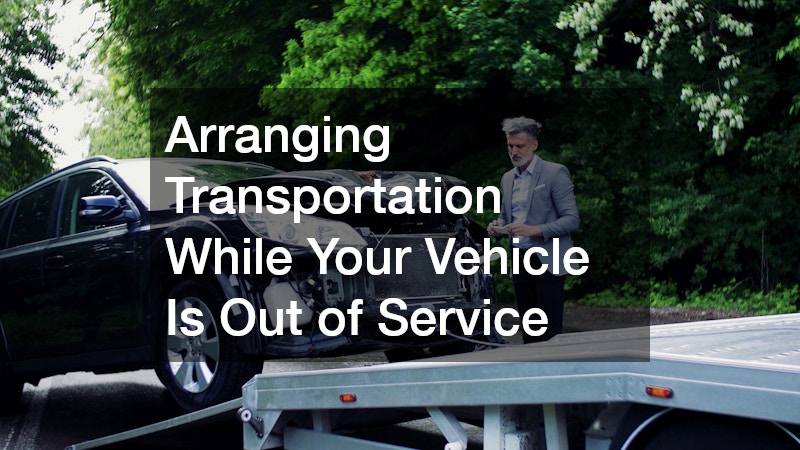 A collision rarely happens at a convenient time, and getting your damaged vehicle off the road safely is often the first logistical hurdle. Calling a 24 hour towing service ensures your car gets to a secure location or repair shop regardless of when the accident occurred, whether that is a busy highway at rush hour or a quiet street at 2 a.m. Many insurance policies include towing and roadside assistance as an add-on, so it is worth checking your coverage before you need it.
While your car is in the shop, ask your insurer about rental reimbursement coverage, which can offset the cost of a temporary vehicle during repairs. Keeping receipts for rideshare or rental expenses also helps if you need to request reimbursement later. Planning ahead for transportation reduces the stress of an already disruptive situation.
Navigating an insurance claim after a collision does not have to feel overwhelming once you understand the steps involved and the coverage options available to you. Start by documenting everything thoroughly, reviewing your policy details, and choosing repair professionals you trust to do the job right. Taking these actions early puts you in a stronger position to get fair treatment from your insurer and a vehicle that is safely restored.