Traffic accidents often happen without warning, leaving drivers to manage physical stress, financial pressure, and complicated logistics all at once. Whether an incident involves a brief side-swipe on a suburban street or a major collision on a busy highway, knowing what steps to take makes a significant difference in the overall recovery outcome. Vehicle owners must contend with insurance adjusters, emergency transport arrangements, legal responsibilities, and technical repair decisions. Without a clear plan, navigating this multi-step post-incident landscape can quickly feel overwhelming and confusing for everyone involved.
A systematic approach helps ensure that driver safety, legal rights, and vehicle condition remain fully protected from start to finish. Having a clear recovery strategy allows individuals to move logically from the immediate aftermath on the shoulder of the road to complete vehicle restoration and fair financial settlement. This guide outlines the core stages of post-accident recovery, breaking down essential decisions into practical, manageable steps for any motorist facing unexpected vehicle damage after an incident.
Immediate Steps at the Scene of an Accident
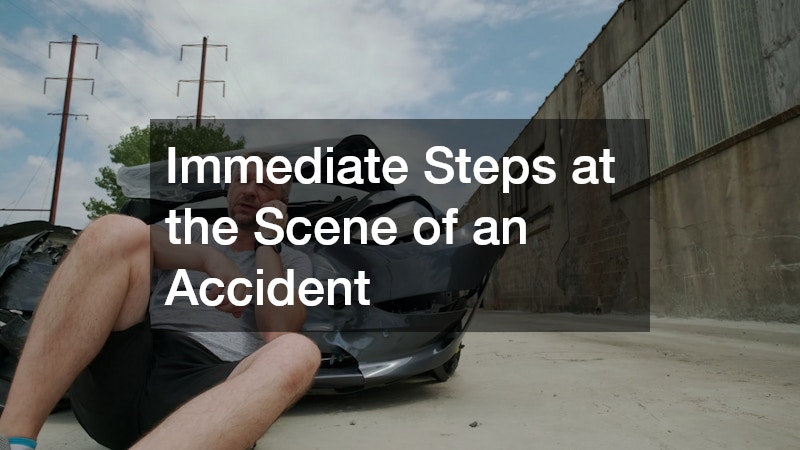
The first moments following a collision are critical for establishing physical safety and gathering initial evidence. Immediately after impact, drivers should check themselves and their passengers for injuries before assessing surrounding traffic conditions. If the vehicle can still move and remaining on the roadway poses an active hazard, pulling over to a safe shoulder or nearby parking lot is ideal. However, if severe structural damage prevents movement, turning on hazard lights and remaining inside with seatbelts fastened is often the safest choice while waiting for emergency responders to arrive on scene.
Calling local emergency services brings police officers and medical personnel to the scene to document the event officially. Police reports provide an unbiased account of environmental conditions, vehicle positions, and initial statements, which serve as foundational records for later insurance claims. While waiting for officers to complete their assessments, drivers should take clear photographs of all involved vehicles, license plates, road marks, traffic signs, and visible property damage from multiple angles. Exchanging contact details and insurance coverage information with all drivers involved is equally important. During these interactions, remaining polite while avoiding statements regarding fault or liability helps preserve accurate, objective facts for official review later on.
When a vehicle is completely disabled due to severe mechanical failure or heavy body damage, professional help becomes immediately necessary. Many motorists rely on reliable roadside assistance services to coordinate rapid scene support, traffic management, and quick safety evaluations. Having access to responsive assistance reduces confusion on busy roads and ensures that driver safety remains the top priority before any complex recovery decisions begin.
Securing Emergency Transport and Vehicle Safety
Once police officers complete their initial on-scene report and emergency medical needs are addressed, moving a damaged vehicle off the road becomes the primary concern. Leaving a disabled car near active traffic lanes creates severe safety risks and can lead to secondary collisions or steep municipal impoundment fees. Coordinating swift, professional transport ensures the vehicle reaches a secure facility without incurring additional structural or mechanical harm during transit.
Selecting a trustworthy towing service is crucial during this phase. Drivers should verify that the operator uses equipment appropriate for their specific vehicle type, such as flatbed trailers for all-wheel-drive or low-clearance automobiles. Requesting a clear destination agreement before the vehicle is hooked up prevents unexpected storage fees or unauthorized transport to distant yards. Keeping copies of all transport receipts and dispatch records provides essential documentation when submitting initial transportation costs to insurance providers for prompt reimbursement.
After the vehicle arrives at a safe holding area or designated repair shop, owners should remove all personal belongings, valuable items, and vital paperwork from the cabin and trunk. Photographing the vehicle once it is parked at the storage destination establishes its physical condition immediately following transport. This extra step prevents disputes over new scratches, dents, or missing accessories that might occur while the car sits in storage. Once the car is safely parked, attention naturally turns to protecting legal rights and handling insurance communications.
Navigating Legal Claims and Insurance Protection
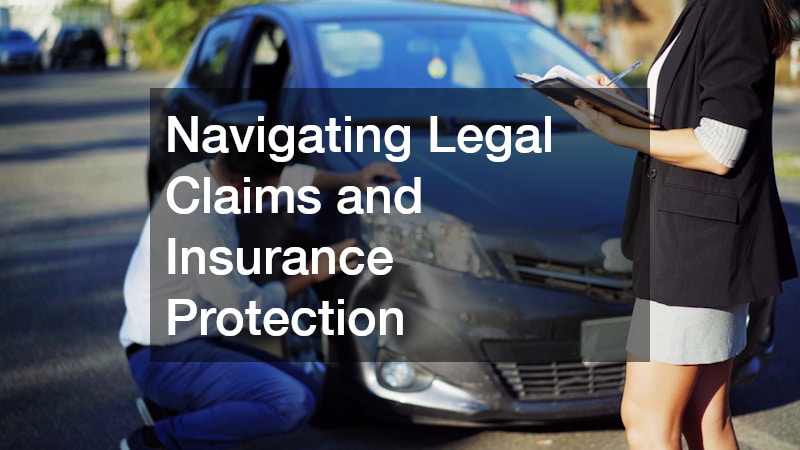
Dealing with insurance adjusters after a serious collision can prove challenging for any driver. Claims adjusters work on behalf of insurance companies to evaluate losses and limit payout liabilities wherever possible. Early settlement offers made shortly after an accident may fail to account for delayed physical injuries, ongoing medical treatments, or hidden mechanical damage within the vehicle. Accepting an early settlement usually requires signing a release waiver, which permanently forfeits the right to request additional compensation down the road.
Consulting an experienced car accident lawyer provides motorists with dedicated legal support during complex negotiations with insurance entities. A qualified attorney reviews police reports, evaluates liability, compiles medical documentation, and assesses total property losses to build a comprehensive claim. This professional representation helps ensure that insurance providers adhere to fair evaluation standards and account for all covered expenses. Having legal counsel allows vehicle owners to focus on physical healing and personal recovery while legal professionals manage paperwork and strict negotiation deadlines.
In addition to personal injury claims, legal representatives assist with diminished value claims. Even after high-quality structural and mechanical repairs, a vehicle with a documented accident history often suffers a permanent loss in resale market value. Legal professionals help document this financial loss using official market data, helping owners recover the difference between the vehicle’s pre-accident market value and its post-repair worth. Securing proper legal guidance early in the recovery process creates a solid foundation for overall financial recovery and long-term financial security.
Understanding Structural Damage and Body Repairs
Once legal and insurance frameworks are established, physical vehicle restoration can officially begin. Modern automobiles feature complex unibody structures engineered to absorb impact energy through specific crumple zones. While these design elements protect occupants during a crash, they often suffer significant structural displacement that requires specialized restoration equipment. Accurately assessing structural damage is essential before any cosmetic work or exterior painting commences.
Comprehensive auto collision repair begins with detailed computerized frame alignment and structural measurements. Technicians place the vehicle on hydraulic frame racks equipped with laser measuring systems to compare structural dimensions against original factory specifications. Straightening bent frame rails and replacing damaged structural pillars restores the vehicle’s original strength, ensuring that future safety systems like airbags and collision sensors function correctly. Skipping precise structural alignment compromises both vehicle handling and occupant safety in future driving conditions.
Executing these technical repairs requires high-level craftsmanship and industry certifications. A skilled auto body technician carefully evaluates panel gaps, metal fatigue, and composite materials to determine whether individual components should be repaired or completely replaced. Using factory-quality replacement panels and specialized welding techniques, these professionals restore the vehicle’s outer shell to its exact pre-crash contours. Proper bodywork creates a seamless foundation for subsequent mechanical checks and final refinishing processes.
Mechanical Diagnostics and Under-the-Hood Restoration
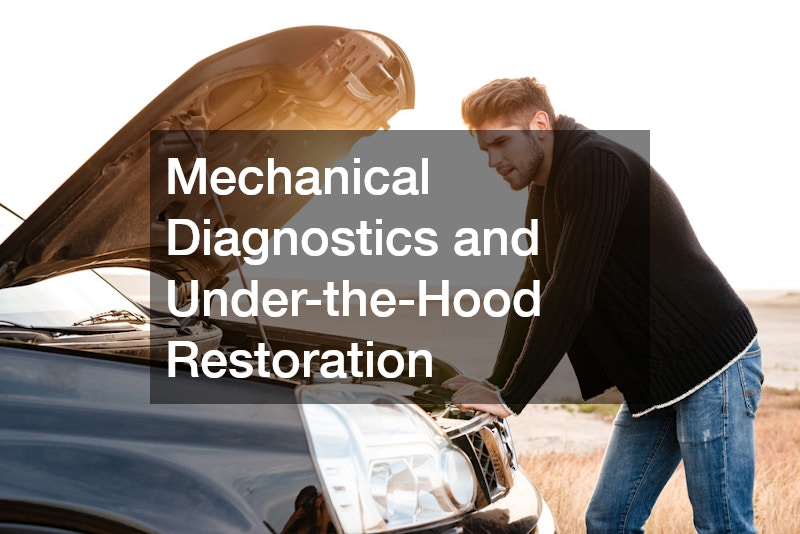
A violent impact affects far more than just exterior sheet metal and plastic bumper covers. Physical force transfers directly through the front subframe, suspension components, engine mounts, and drive shafts, creating hidden mechanical damage. Even if a vehicle appears cosmetically intact after minor bodywork, underlying mechanical systems must undergo rigorous diagnostic testing before the car returns to regular road use.
Professional mechanical inspection starts with a full computer system scan to identify diagnostic trouble codes across internal control modules. Mechanics inspect suspension arms, steering racks, drive axles, and brake lines for bends, fluid leaks, or stress fractures caused by collision forces. Routine auto repair steps at this stage may include replacing bent control arms, re-balancing wheels, aligning suspension geometry, and refilling compromised cooling systems. Addressing basic mechanical issues immediately prevents accelerated tire wear and handling instability down the road.
When an impact directly affects the engine bay, complex drivetrain restoration becomes necessary. Precision car engine repair addresses issues such as cracked engine blocks, damaged intake manifolds, broken timing covers, and bent accessory pulleys. Internal components must be carefully measured for alignment, and cracked aluminum housings must be replaced to prevent fluid contamination or oil pressure loss. Comprehensive engine restoration ensures that power delivery remains reliable, smooth, and efficient long after the vehicle leaves the shop floor.
Undercarriage Damage and Exhaust System Care
Undercarriage components are exceptionally vulnerable during collisions, especially during accidents involving road debris, curb impacts, or multi-vehicle pileups. Because underbody systems are hidden from immediate view, damage in these areas often goes unnoticed during initial visual inspections. Thorough bottom-up evaluations are essential for identifying structural cracks, compromised fluid lines, and bent piping beneath the cabin floor.
A complete underbody inspection focuses heavily on the emissions and routing networks. Precision exhaust repair addresses crushed catalytic converters, cracked exhaust manifolds, broken hangers, and ruptured flex pipes caused by severe impact forces. Undercarriage impacts can cause hazardous exhaust gases to leak into the cabin or create backpressure issues that reduce engine performance over time. Re-aligning pipe connections, replacing damaged mufflers, and installing new oxygen sensors restores safe operational sound levels and maintains clean emissions compliance.
Addressing undercarriage damage also protects surrounding mechanical components from thermal hazards. A misaligned exhaust pipe sitting too close to fuel lines, brake cables, or transmission housings creates severe heat hazards during operation. Mechanics carefully check clearance distances across the entire length of the chassis, securing protective heat shields and replacing damaged mounting brackets. Taking the time to properly restore underbody systems guarantees long-term driving comfort, structural quietness, and operational safety for years to come.
Restoring Optics, Glass, and Exterior Finishes
After structural, mechanical, and underbody components meet factory safety standards, attention shifts toward restoring exterior clarity, paint quality, and interior cabin comfort. Accidents frequently shatter windshields, crack side windows, and scrape protective window films. Replacing compromised automotive glass with high-grade safety glass restores structural rigidity, as windshields contribute significantly to roof crush resistance in modern vehicles.
Following glass replacement, restoring interior sun protection and privacy requires specialized film application. Professional auto window tinting replaces damaged window films with high-performance ceramic or metalized materials that block ultraviolet radiation and reduce solar heat gain. Precise installation prevents bubbling, peeling, and optical distortion, ensuring clear visibility for the driver while maintaining cabin temperature control. Applying fresh film also restores the uniform aesthetic appearance of the vehicle’s side and rear windows.
The final stage of exterior restoration focuses on protecting fresh paintwork and original clear coats. Professional painters apply multi-stage base coats and clear coats to repaired body panels, blending paint seamlessly with adjacent original surfaces. To safeguard this fresh paint from environmental hazards, UV degradation, road debris, and micro-scratching, vehicle owners often invest in a professional auto ceramic coating service. This liquid polymer coating chemically bonds with the factory clear coat, providing a hydrophobic protective layer that keeps the vehicle clean, glossy, and resistant to environmental contaminants for years to come.
Long-Term Vehicle Preservation and Final Guidance
Completing a comprehensive vehicle and legal recovery process requires patience, organization, and clear communication across all involved service providers. From the moment emergency personnel respond to the scene to the final coat of paint protection, every decision plays a role in protecting driver safety and asset value. Maintaining detailed records of all repair invoices, legal correspondence, transport receipts, and diagnostic reports creates a transparent history that supports future vehicle resale and insurance audits.
Following the completion of repairs, vehicle owners should conduct a thorough final inspection and test drive before accepting delivery. Verifying that all electronics function properly, panel gaps remain even, steering stays centered, and mechanical systems operate quietly confirms that restoration work meets high quality standards. Asking technicians about warranty coverage for both body repairs and mechanical parts provides added peace of mind as the vehicle re-enters daily service.
By taking a structured approach to emergency response, legal representation, structural rebuilding, mechanical restoration, and exterior protection, motorists can navigate post-accident challenges with total confidence. Protecting both personal rights and vehicle health ensures that a challenging event transitions into a successful, complete recovery for both the car and its owner. Understanding each phase of the recovery playbook empowers drivers to make informed decisions that protect their safety, preserve their investment, and deliver long-lasting satisfaction on the open road.
Taking proactive steps after a collision reduces the stress associated with unexpected vehicle downtime. When drivers understand the full scope of emergency transport, legal claims, structural repairs, and paint finishing, they maintain control over every phase of the process. Working with verified professionals guarantees that each technical requirement is met with precision and care. Ultimately, a thorough recovery plan restores both peace of mind and long-term vehicle performance.