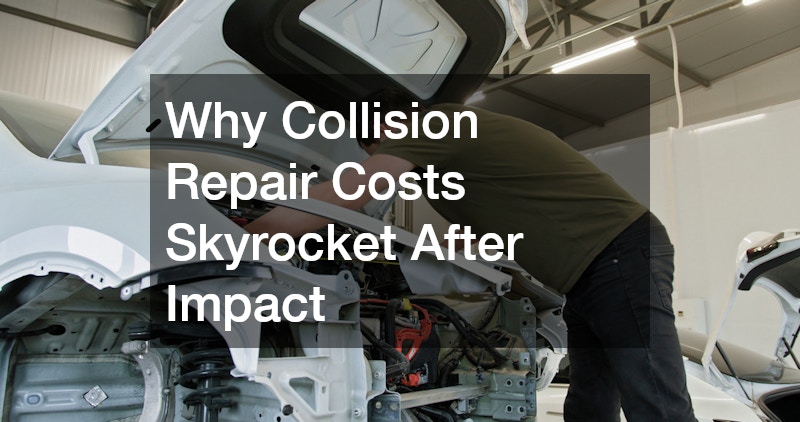
A single fender bender can turn into a bill worth thousands of dollars, leaving many drivers wondering how a small dent snowballed into such an expensive repair order. The truth is that visible damage is often the smallest part of the story, and what happens underneath the surface drives most of the final cost. Understanding why prices climb so quickly after a crash can help you make smarter decisions about repairs, insurance claims, and which shop you trust with your vehicle. This guide breaks down the hidden factors that push collision repair bills higher than most people expect.
Hidden Structural Damage Drives Up Estimates
What looks like a scratched bumper on the outside can mask bent frame rails, cracked mounting brackets, or misaligned crumple zones underneath. Technicians have to remove panels, trim, and sometimes entire bumper covers just to see the true extent of the damage, and that teardown labor alone can add two to four hours to an estimate before a single replacement part is ordered. Modern unibody vehicles are engineered to absorb impact by deforming in specific zones, which means damage often travels farther into the vehicle than the visible dent suggests. A low-speed rear-end collision, for instance, can transfer force through the bumper reinforcement bar into the rear rails, tweaking alignment by a fraction of an inch that’s invisible to the eye but throws off suspension geometry and tire wear. Shops typically need a frame measuring system or laser alignment check to catch this kind of damage, and that diagnostic step alone can run several hundred dollars before repairs even begin. Sensors, wiring harnesses, and airbag components tucked behind trim panels add another layer of hidden cost, since a cracked bracket near a sensor mount can mean replacing a part that never showed a mark on the surface. Because insurers usually write initial estimates based on a visual inspection, these deeper findings almost always surface after the vehicle is already partially disassembled — which is why a “simple” bumper repair so often turns into a supplemental estimate days later.
This is one of the biggest reasons an initial phone estimate never matches the final invoice from an auto repair facility. A quick visual check or a photo sent to an adjuster can only account for what’s visible on the surface — it can’t reveal what’s happening beneath the bumper cover, behind the fender liner, or underneath the trunk floor. Once a technician gets the car on a lift and pulls back the affected panels, they frequently find additional damage that requires new parts, more labor, and updated paperwork with the insurance company. Bent frame rails, cracked radiator supports, damaged suspension mounts, and misaligned subframes are common discoveries that never show up in a curbside inspection. Even a low-speed fender bender can hide a compromised crumple zone or a sensor bracket that needs replacing before the car is safe to drive again. These findings usually trigger what’s known as a supplemental estimate, where the shop documents the newly found damage with photos and measurements before submitting it to the insurer for approval. That process can add days to the collision repair timeline and hundreds or even thousands of dollars to the original quote. Being prepared for that possibility — and asking your shop to walk you through any supplements before work continues — helps you avoid sticker shock later in the process.
Sensor Calibration and Advanced Safety Systems
Newer vehicles are loaded with cameras, radar units, and sensors that control lane-assist, automatic braking, blind-spot monitoring, and adaptive cruise control. These Advanced Driver Assistance Systems (ADAS) are calibrated to precise angles and distances, so even a minor bumper tap can throw off a camera’s alignment by a fraction of a degree. That small shift is enough to make the system misread lane markings or misjudge the distance to the car ahead. After any collision, these systems often need to be recalibrated or replaced entirely, and that process requires specialized equipment that not every shop owns. Static calibration typically involves setting up targets in a controlled space, while dynamic calibration requires driving the vehicle at specific speeds so the system can relearn its surroundings. Some vehicles need both procedures, which adds hours of labor and can push calibration costs alone into the $200 to $600 range per sensor. Skipping this step is not an option, since a misaligned sensor can cause safety features to malfunction long after the visible repair is finished. A front camera that’s off by even a couple degrees might fail to trigger automatic braking in time, or an adaptive cruise control system might follow too closely without the driver realizing anything is wrong. Because of this, many insurers now require documented proof of calibration before they’ll close out a claim, adding another layer of cost and paperwork to the repair process.
- Windshield replacement often triggers camera recalibration costs, since forward-facing cameras for lane-keeping and automatic braking must “relearn” their exact aim
- Bumper sensors may need reprogramming after replacement, as even a fraction of a millimeter of misalignment can throw off parking assist accuracy
- Radar units behind grilles require precise realignment, often using targets and laser measurements to hit factory-spec angles
- Calibration can take hours of dedicated shop time, sometimes requiring a test drive at specific speeds to confirm the system reads correctly
- Some systems require a certified dealer connection to complete, meaning independent shops may have to sublet the work and pass along added fees
- Static calibrations done in-shop with target boards differ from dynamic calibrations done on the road, and some vehicles need both
- Skipping or rushing calibration isn’t just costly to avoid — it’s a safety risk, since misaligned sensors can misjudge distances or fail to trigger emergency braking
Parts Availability and Manufacturer Pricing

Original equipment manufacturer parts are often the only option for late-model vehicles, especially when it comes to safety-critical components like sensor housings, radar brackets, or structural body panels that aftermarket suppliers haven’t yet reverse-engineered. Depending on the make and model, these parts can be back-ordered for weeks or even months, particularly for vehicles less than two years old. Shops have little control over how much a manufacturer charges for a specific bracket, mirror assembly, or fender, and that cost gets passed directly to the customer with minimal markup flexibility. Vehicles with unique trim packages, limited production runs, or imported components tend to see the longest delays and the highest markups. A European luxury sedan, for example, may require a part shipped directly from an overseas plant, adding freight costs and customs delays on top of the base price. Electric vehicles present similar challenges, since battery housings and specialized wiring harnesses are often produced by a single supplier with no aftermarket alternative. Insurance companies further complicate the picture by sometimes insisting on aftermarket or recycled parts to control costs, which can trigger disputes with body shops over fit and safety compliance. When OEM parts are mandated by warranty terms or ADAS calibration requirements, that back-and-forth negotiation itself can stall a repair by days, adding rental car expenses and labor scheduling conflicts to the final bill.
Parts availability has become a major bottleneck in collision repair, especially for newer models or vehicles with limited production runs. A backordered bumper sensor or a discontinued trim piece can leave a car sitting idle for weeks while the shop waits on the manufacturer. Even common parts can be delayed by supply chain disruptions, port congestion, or regional shortages that have nothing to do with the shop’s efficiency. Waiting on parts also extends the time your vehicle sits in the shop, which increases storage fees and rental car costs if your policy has a coverage limit. Most insurers cap rental reimbursement at 30 days or a set dollar amount, so a prolonged repair can leave you paying out of pocket once that limit is reached. Storage fees at some facilities accrue daily, adding another line item to the final bill that wasn’t part of the original estimate. This is one reason estimates from car collision shops can shift significantly between the initial inspection and the day the vehicle is finally ready for pickup. A shop might quote a two-week turnaround only to discover that a required part is on backorder from overseas, pushing the timeline to six or eight weeks. OEM parts in particular tend to carry longer lead times than aftermarket alternatives, which can further complicate both cost and scheduling. Asking your shop for realistic timelines up front can help you plan around these delays. It’s also worth asking whether aftermarket or used OEM parts are available as faster, lower-cost alternatives, and how those choices might affect your vehicle’s warranty or resale value.
Labor Rates and Specialized Technician Training
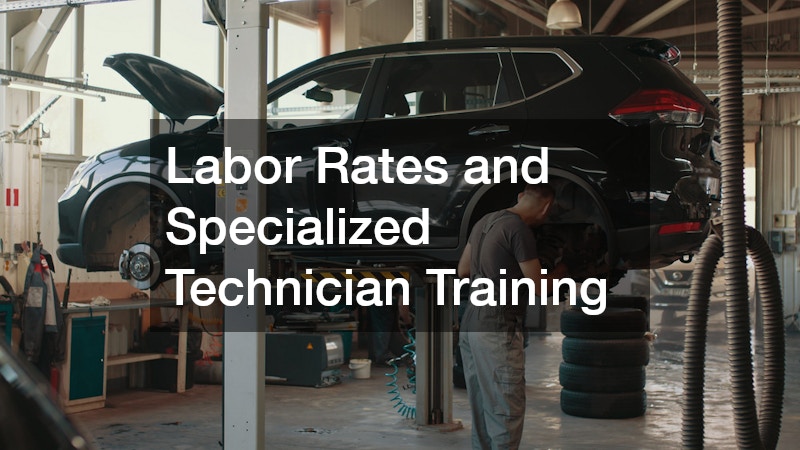
Repairing a modern vehicle correctly requires more than basic bodywork skills. Technicians need ongoing certification to work with aluminum panels, high-strength steel, and the electronic systems packed into today’s cars, and that training is reflected in hourly labor rates. Shops that invest in this training typically charge more, but they also reduce the risk of comebacks caused by improper repairs.
- Aluminum body repair requires separate tools from steel repair
- Paint matching on modern finishes often needs computerized color matching
- Frame straightening requires calibrated measuring systems
- Technicians must recertify periodically as vehicle technology changes
Towing and Immediate Post Collision Costs
The expenses start accumulating before the car even reaches a shop. If a vehicle cannot be driven safely, a tow truck service has to be called to the scene, and rates vary depending on distance, time of day, and whether specialized equipment is needed. Many drivers do not realize that a 24 hour tow truck dispatched late at night or during a storm often costs more than a standard daytime call, simply because of demand and driver availability.
These towing charges are frequently rolled into the total claim, but they still contribute to the overall financial impact of the accident. Choosing a reputable towing provider with transparent pricing can prevent an unpleasant surprise on top of an already stressful day.
Rebuilding Damaged Drivetrain Components
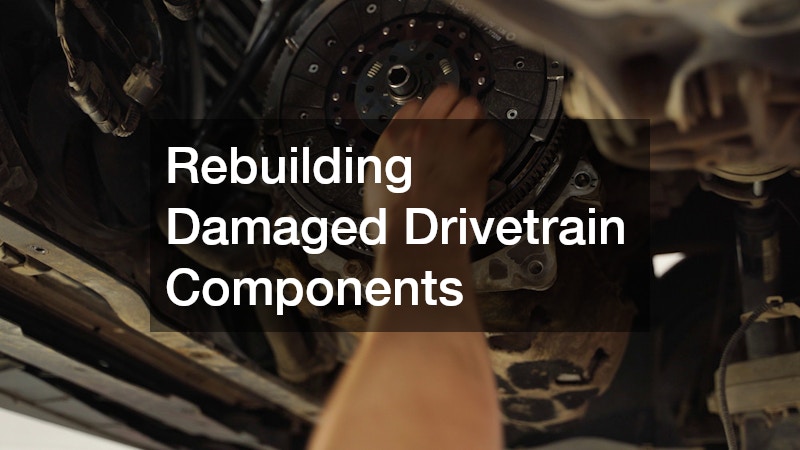
Collisions that involve significant front or rear impact can damage more than the visible bodywork. Force from the crash can travel through the frame and into the drivetrain, sometimes cracking housings or damaging internal gears. In more severe cases, a full transmission rebuild becomes necessary, which adds substantial cost because of the specialized labor and parts involved.
Drivetrain repairs are also harder to diagnose immediately after a crash, since symptoms like slipping gears or delayed shifting may not appear until days later. This is why thorough post-collision inspections matter, even when the vehicle seems to drive normally right after the accident. Catching drivetrain damage early can prevent a small issue from turning into a much larger repair bill down the road.
Recreational Vehicle Damage After Highway Incidents
Collision costs are not limited to cars and trucks. Motorhomes and travel trailers involved in wind events, low clearance strikes, or highway accidents often need extensive work to the upper structure. An RV roof takes the brunt of this kind of damage, and because these roofs are built from layered materials like fiberglass, rubber membrane, and foam insulation, repairs require specialized skills that not every collision shop offers.
RV roof repair costs can climb quickly because access alone requires scaffolding or lift equipment, and the materials must be sealed properly to prevent water intrusion later. Owners who delay this type of repair often face secondary damage from leaks, which can affect interior walls and flooring. Getting a proper inspection soon after any impact helps limit the scope of the repair.
Commercial Fleet Vehicles Face Unique Repair Challenges
Businesses that rely on a fleet of vehicles face a different set of cost pressures after a collision. Beyond structural and mechanical repairs, many commercial vehicles carry custom branding that must be restored to keep the company looking professional on the road. Replacing a fleet truck wrap after a collision adds another line item to the bill, since the vehicle often needs to be pulled from service until the wrap is reinstalled correctly.
Heavy trucks also present logistical challenges when they cannot be driven after an accident. Arranging semi towing for a disabled tractor-trailer requires specialized equipment capable of handling the size and weight of the vehicle, and that service typically costs more than towing a standard passenger car. Fleet managers need to budget for both the mechanical repair and the downtime associated with these larger vehicles.
Collision repair costs rarely reflect the damage you can see with your own eyes, which is exactly why bills can climb so quickly once a shop starts digging deeper. From hidden frame damage to sensor calibration, parts delays, and specialized labor, each layer adds time and expense to the process. The best step you can take as a vehicle owner is to get a thorough inspection immediately after any impact and ask detailed questions about what drives the estimate. Being informed before repairs begin puts you in a much stronger position to manage both the cost and the timeline.