
Keeping your vehicle safe and reliable throughout the year requires more than occasional attention—it demands a proactive mindset. Every season introduces new stressors, from freezing temperatures and road salt in winter to extreme heat and long-distance travel in summer. Without consistent care, even small issues can escalate into costly problems or safety risks.
The good news is that maintaining your vehicle doesn’t have to be overwhelming. By focusing on preventative care, staying alert to warning signs, and following a structured maintenance plan, you can extend your car’s lifespan and ensure it performs well in any condition. This guide walks you through practical strategies and actionable steps to help you stay ahead of problems and keep your vehicle operating safely year-round.
Build a Consistent Maintenance Routine That Works
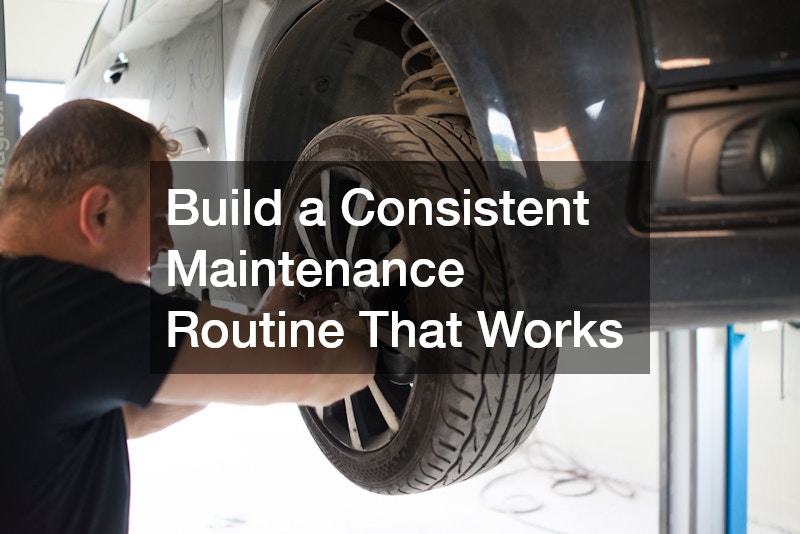
A reliable maintenance routine is the foundation of vehicle safety. Waiting until something goes wrong often leads to higher costs and greater inconvenience. Instead, adopting a proactive approach helps you catch issues early and avoid unnecessary downtime.
Working with a trusted mechanic can make a significant difference. They can help you develop a maintenance schedule tailored to your driving habits, climate, and vehicle type. Regular check-ins also make it easier to identify patterns that may indicate deeper concerns.
To stay organized and consistent:
- Create a monthly checklist for basic tasks like checking fluid levels and tire pressure
- Schedule seasonal reviews to prepare for changing weather conditions
- Keep a log of all services and car repair history
- Set reminders for routine maintenance milestones
- Learn to recognize unusual sounds, smells, or performance changes
Beyond these basics, it’s helpful to align your routine with your manufacturer’s recommended service intervals, which are designed specifically for your vehicle’s make and model. Keeping a copy of this schedule—either digitally or in your glove compartment—ensures you always know what’s due next. You can also use mobile apps or calendar alerts to track upcoming services, making it easier to stay on top of maintenance even with a busy schedule.
Another key aspect of consistency is building a quick weekly habit. Taking just five minutes to walk around your vehicle, check for visible issues, and ensure everything is functioning properly can prevent small problems from escalating. Pay attention to tire condition, lights, and any fluid spots where you park.
Knowing when to handle something yourself and when to seek professional help is equally important. While tasks like topping off fluids or replacing wiper blades are simple, more complex issues should be left to experienced professionals.
A structured routine not only improves safety but also helps maintain your vehicle’s value over time.
Stay Ahead of Engine Wear with Preventative Care
Your engine is the heart of your vehicle, and keeping it in good condition requires regular attention. Neglecting basic maintenance can lead to reduced performance, poor fuel efficiency, and even engine failure. Many vehicle owners underestimate how quickly small issues—like dirty oil, clogged filters, or low coolant—can compound into major repairs that are costly and time-consuming.
Routine oil changes are one of the simplest yet most critical steps you can take. Clean oil reduces friction, prevents overheating, and extends engine life. Skipping this task can lead to sludge buildup, corrosion, and damage to internal components such as pistons, valves, and bearings. For optimal performance, always use the type and grade of oil recommended in your owner’s manual, and consider synthetic options for extreme climates or high-mileage vehicles.
If you drive a truck or a vehicle with a diesel engine, specialized care becomes even more essential. Diesel engines operate at higher compression levels and often run longer under heavy loads. Diesel engine repairs can involve fuel injectors, turbochargers, and emission control systems, which require more frequent monitoring and specialized maintenance. Following manufacturer recommendations closely and addressing minor issues promptly can prevent costly failures down the road.
To protect your engine:
- Check oil levels regularly and replace oil based on usage, not just mileage
- Monitor coolant levels and inspect hoses to prevent overheating
- Replace air filters on schedule to maintain proper airflow and prevent contaminants from entering the engine
- Pay attention to warning lights, unusual noises, or vibrations that could indicate developing problems
- Use high-quality fuel and fuel additives when appropriate to support optimal combustion and prevent buildup
Driving habits also play a significant role in engine longevity. Avoid aggressive acceleration, rapid deceleration, and prolonged idling, all of which increase wear on internal components. In colder weather, allow your engine to warm up for a few minutes before driving, as this ensures proper oil circulation and reduces stress on moving parts. Small, consistent habits like these can dramatically reduce long-term wear, save fuel, and keep your vehicle running smoothly for years.
Additionally, regular professional inspections of belts, hoses, and exhaust components can identify issues before they escalate. Investing in preventative maintenance may require time and effort upfront, but it ultimately protects your engine, prevents unexpected breakdowns, and contributes to overall vehicle reliability.
Ensure Safe Stopping Power in All Conditions
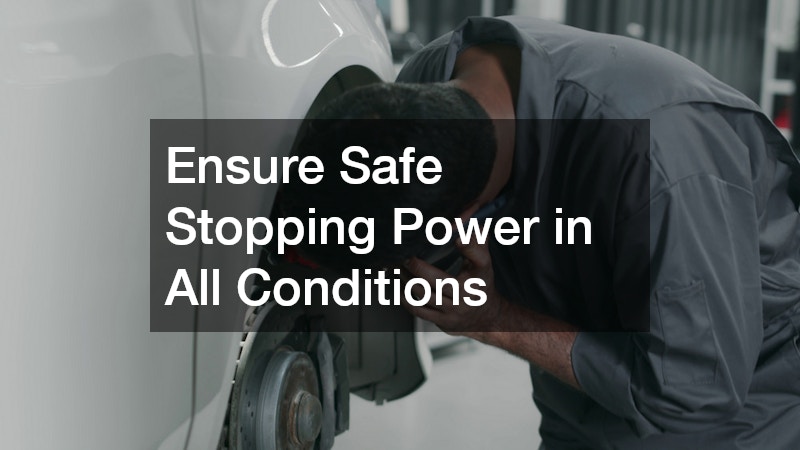
Your ability to stop quickly and safely is one of the most important aspects of driving. A well-maintained braking system ensures you can respond effectively to sudden hazards, regardless of weather or road conditions. Brakes are a critical safety component, and neglecting them can put both you and others on the road at risk. Even minor signs of wear should never be ignored, as they often indicate underlying issues that could worsen over time.
Brake repair should never be delayed when warning signs appear. Squeaking, grinding, a soft or spongy brake pedal, or a burning smell are all indicators that something isn’t right. Addressing these issues early can prevent more extensive damage to rotors, calipers, and brake lines, which are far more costly and time-consuming to replace. Regular inspections also help catch uneven wear or problems caused by driving habits, such as frequent stop-and-go traffic or towing heavy loads.
Regular checks can help you stay ahead of problems:
- Inspect brake pads for wear and replace them as needed
- Check brake fluid levels and watch for leaks
- Pay attention to vibrations or pulling when braking
- Listen for unusual noises during operation
- Ensure brake lines and hoses are free of cracks or corrosion
Environmental conditions can also affect braking performance. Wet roads, snow, and ice increase stopping distances and reduce traction, making it even more critical that your brakes are in top condition. Sand, salt, and debris can also accelerate wear on components, requiring more frequent maintenance in certain regions.
Adopting smoother driving habits can reduce strain on your braking components and extend their life. Gradual braking, maintaining a safe following distance, and avoiding harsh stops when possible not only improve safety but also prevent premature wear of pads and rotors. Additionally, consider having your brakes professionally inspected at least once a year or more frequently if you drive in extreme conditions. Taking these steps ensures that your vehicle maintains reliable stopping power in all conditions, giving you confidence behind the wheel.
Keep Your Vehicle Properly Aligned and Easy to Control
Proper alignment is essential for both safety and comfort. When your wheels are aligned correctly, your vehicle handles predictably, your tires wear evenly, and your fuel efficiency improves.
Vehicle alignments can be affected by everyday driving conditions, including potholes, curbs, and rough roads. Even minor impacts can throw off alignment over time.
Common signs of alignment issues include:
- Uneven or rapid tire wear
- Steering wheel pulling to one side
- A crooked steering wheel when driving straight
- Reduced handling responsiveness
To maintain proper alignment:
- Have your alignment checked at least once a year
- Schedule inspections after hitting major road hazards
- Rotate tires regularly to promote even wear
- Keep tires properly inflated
Ignoring alignment problems can lead to more expensive repairs and compromise your control on the road. Staying proactive helps ensure a smoother and safer driving experience.
Maintain Clear Visibility for Safer Driving

Visibility is a critical factor in road safety. Even minor obstructions can reduce your ability to react quickly and accurately to changing conditions.
Windshield replacement becomes necessary when cracks or chips obstruct your view or weaken the structural integrity of the glass. While small chips can sometimes be repaired, larger damage often requires full replacement.
To maintain clear visibility:
- Inspect your windshield regularly for chips or cracks
- Replace wiper blades every 6–12 months
- Keep washer fluid topped off and use season-appropriate solutions
- Clean both the inside and outside of the glass for maximum clarity
- Address damage promptly before it spreads
Environmental factors like extreme temperatures, debris, and road salt can accelerate wear and tear. Taking preventative measures helps ensure your visibility remains uncompromised.
Prepare for Inspections and Emissions Requirements
Meeting regulatory requirements is an essential part of vehicle ownership. Failing an emissions test or vehicle inspection can result in fines, delays, or restrictions on your ability to drive legally.
Preparation is key to passing these evaluations. Many common issues that cause failures can be identified and resolved in advance.
Before scheduling your test:
- Check for dashboard warning lights and address any issues
- Ensure your battery is functioning properly
- Inspect exhaust components for leaks or damage
- Verify that sensors and onboard systems are working correctly
- Drive your vehicle regularly before the test to ensure accurate readings
A pre-inspection check can save time and reduce stress. Staying compliant not only keeps you on the road legally but also contributes to environmental responsibility and overall vehicle performance.
Protect Yourself Financially and Legally on the Road

Owning a vehicle comes with financial responsibilities beyond maintenance. Having the right auto insurance coverage ensures you’re protected in case of accidents, damage, or unexpected events.
Your maintenance habits can even impact your insurance experience. Well-documented service records demonstrate responsible ownership and can support claims if issues arise.
To optimize your coverage:
- Review your policy annually to ensure it meets your needs
- Understand the differences between liability, collision, and comprehensive coverage
- Keep records of all maintenance and repairs
- Ask about discounts for safe driving or bundled policies
- Consider how your deductible affects monthly premiums
Balancing coverage and cost is essential. The goal is to protect yourself without overpaying for unnecessary features.
Recognize and Address Small Issues Before They Escalate
Minor problems can quickly turn into major repairs if left unchecked. Being attentive to your vehicle’s behavior allows you to address concerns early and avoid costly consequences.
Car repair doesn’t always have to be extensive or expensive. In many cases, catching an issue early means a simple fix instead of a complete system failure.
Stay alert for:
- Unusual noises like knocking, squealing, or rattling
- Changes in performance, such as reduced power or efficiency
- Fluid leaks under your vehicle
- Warning lights on your dashboard
- Vibrations or handling changes
Developing a habit of quick visual inspections can make a big difference. A few minutes of attention each week can save you significant time and money in the long run.
Adjust Your Maintenance Strategy for Each Season
Each season presents unique challenges that require specific preparation. Adapting your maintenance routine ensures your vehicle performs reliably year-round.
A professional mechanic can help you identify seasonal priorities and address potential vulnerabilities before they become problems.
Seasonal tips include:
- Winter: Check your battery, tires, and heating system
- Spring: Inspect for damage caused by cold weather and road salt
- Summer: Monitor coolant levels and air conditioning performance
- Fall: Prepare for colder temperatures and reduced daylight
Other important considerations:
- Swap tires if you use seasonal sets
- Check lights and visibility systems regularly
- Adjust driving habits based on weather conditions
- Schedule inspections before extreme weather begins
Planning ahead helps you stay prepared and reduces the likelihood of unexpected breakdowns.
Develop Safe Driving Habits That Reduce Wear and Tear
How you drive has a direct impact on your vehicle’s condition. Safe, consistent driving habits not only improve safety but also extend the life of your vehicle’s components.
For example, aggressive braking increases the need for brake repair, while hitting potholes or curbs can disrupt vehicle alignments. Small changes in behavior can significantly reduce wear and tear.
To improve your driving habits:
- Accelerate and brake smoothly
- Maintain a safe following distance
- Avoid sudden turns or sharp maneuvers
- Watch for road hazards and adjust accordingly
- Keep your tires properly inflated
Consistency is key. The more mindful you are behind the wheel, the less strain you place on your vehicle.
Keeping your vehicle running safely year-round comes down to consistency, awareness, and proactive care. By following a structured maintenance routine, adapting to seasonal changes, and addressing issues early, you can avoid costly repairs and ensure a safer driving experience.
Small efforts add up over time. When you prioritize regular care and smart driving habits, you not only extend the life of your vehicle but also gain peace of mind every time you get behind the wheel.