Keeping a vehicle safe and dependable requires more than filling the gas tank and scheduling an occasional oil change. Regular inspections, responsible driving habits, and timely maintenance help prevent unexpected breakdowns, improve road safety, and protect a vehicle’s long-term value. Even small issues, such as low tire pressure or worn windshield wipers, can affect driving performance if they go unnoticed.
Understanding which components need regular attention also helps drivers recognize when a problem requires professional assistance. By establishing a maintenance routine, preparing for changing weather conditions, and keeping accurate service records, vehicle owners can make informed decisions about their cars and reduce the likelihood of costly surprises.
Follow a Consistent Preventive Maintenance Schedule
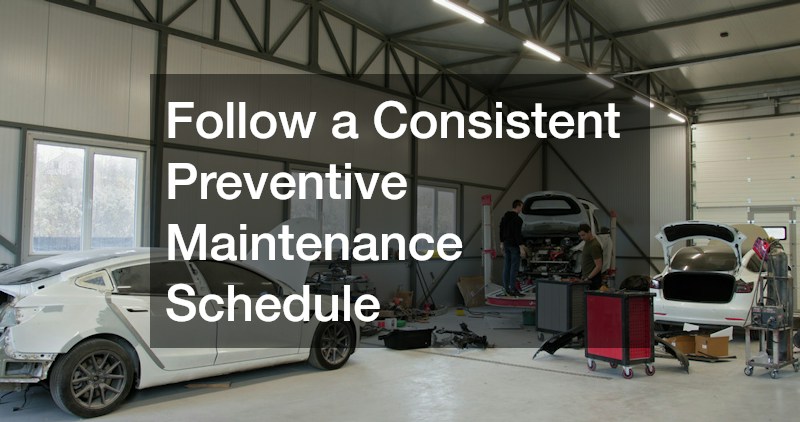
Preventive maintenance helps keep essential vehicle systems functioning properly while reducing the risk of sudden mechanical failures. Although maintenance requirements vary by make, model, age, and mileage, following the manufacturer’s recommended service intervals provides a reliable starting point.
Check Essential Fluids and Replace Filters Regularly
Vehicle fluids lubricate moving components, regulate temperatures, and support critical systems. Engine oil reduces friction, coolant helps prevent overheating, brake fluid transfers force through the braking system, and transmission fluid supports smooth gear changes.
Drivers should check fluid levels according to the owner’s manual and watch for leaks beneath the vehicle. Dark puddles, sweet-smelling coolant, or a burning odor may indicate a problem that needs investigation. Oil and other fluids should be replaced using the recommended specifications rather than arbitrary intervals.
Air filters also deserve attention. A clogged engine air filter can restrict airflow, while a dirty cabin filter may reduce ventilation and contribute to unpleasant odors.
An automotive repair shop can perform scheduled services, inspect fluid conditions, and identify developing mechanical problems. Professional assistance is particularly valuable when leaks, unusual fluid discoloration, or repeated low-fluid warnings suggest an underlying issue.
Monitor Warning Lights and Unusual Performance Changes
Dashboard warning lights provide early indications that a vehicle may need attention. Drivers should consult the owner’s manual to understand what each indicator means and whether immediate action is necessary.
Pay attention to changes such as:
- Unusual engine knocking, squealing, or grinding.
- Difficulty starting or frequent battery problems.
- Reduced acceleration or unexpected changes in fuel consumption.
- Steering that pulls to one side or feels unusually heavy.
- Vibrations, burning smells, or fluid leaks.
A flashing check engine light, an oil pressure warning, or an overheating indication can signal a serious problem. Pull over safely when necessary and follow the manufacturer’s guidance rather than continuing to drive, which could cause further damage.
Inspect Your Tires, Wheels, and Braking System
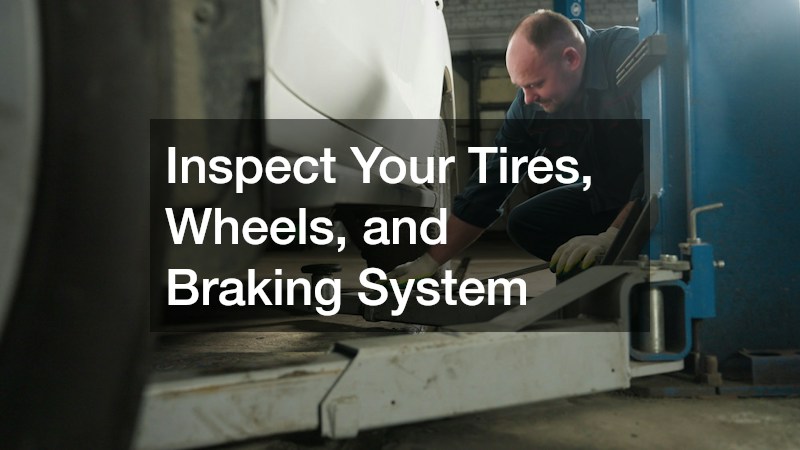
Tires, wheels, and brakes directly influence how effectively a vehicle accelerates, turns, and stops. Regularly checking these components helps drivers identify wear before it becomes a safety concern.
Maintain Proper Tire Pressure and Tread Depth
Underinflated tires can overheat, wear unevenly, and increase fuel consumption. Overinflated tires may reduce the contact area between the tire and road, potentially affecting traction and ride quality.
Check tire pressure when the tires are cold, using the recommended pressure listed on the driver’s doorjamb placard or in the owner’s manual. Do not use the maximum pressure printed on the tire sidewall as the vehicle’s recommended operating pressure.
Helpful tire maintenance habits include:
- Checking pressure at least monthly and before long trips.
- Inspecting the tread for excessive wear, embedded objects, and visible damage.
- Rotating tires according to the manufacturer’s recommendations.
- Scheduling wheel alignment checks when uneven wear or pulling occurs.
- Replace tires that are damaged or no longer meet applicable safety requirements.
Address Wheel Damage and Brake Wear Promptly
Wheels can become bent or cracked after striking potholes, curbs, or road debris. Damage may cause air leaks, steering vibrations, or difficulty maintaining control. Car wheel repair may be appropriate for certain types of damage, but cracked or severely compromised wheels generally require replacement. A qualified professional should determine whether a wheel can be repaired safely.
Brake inspections are equally important. Squealing, grinding, pulsating brake pedals, and increased stopping distances can indicate worn pads, damaged rotors, or other problems.
Choose Qualified Professionals for Complex Repairs

Some maintenance tasks are manageable for experienced vehicle owners, but repairs involving brakes, steering, suspension, airbags, or electronic safety systems often require specialized equipment and training. Choosing qualified professionals helps ensure that work is performed correctly.
Verify Credentials and Request Detailed Estimates
Before authorizing significant repairs, research the provider’s reputation and ask about technician qualifications, warranties, and diagnostic procedures. Customer reviews can offer useful insight into communication and service quality, although individual experiences should not be treated as guarantees.
An auto repair shop should provide a clear estimate that outlines the recommended work, parts, labor, and any additional diagnostic charges. Ask the technician to distinguish urgent safety-related repairs from maintenance that can reasonably be scheduled later.
When comparing local auto services, consider technician qualifications, customer reviews, repair warranties, and the provider’s ability to explain recommended work clearly.
Useful questions include:
- What caused the problem, and how was it diagnosed?
- Which repairs are necessary for safe operation?
- Are replacement parts new, used, or aftermarket?
- What warranty applies to the parts and labor?
- Will additional inspections or adjustments be required?
Clear answers help drivers understand the work being performed and make decisions that fit their budgets without overlooking essential safety needs.
Prioritize Safety-Critical Repairs
Vehicle damage following an accident can affect more than appearance. Bent suspension components, damaged steering systems, misaligned structural elements, and malfunctioning airbags may create hazards even when a car remains drivable.
Collision repairs should address both visible damage and underlying problems that affect structural integrity or safety. Depending on the severity of the incident, technicians may need to inspect the frame or unibody, suspension, sensors, and restraint systems.
Drivers should ask whether replacement components meet manufacturer specifications and whether necessary calibrations will be completed. Advanced driver-assistance features, including certain cameras and radar sensors, may require specialized calibration after repairs.
Protect Your Vehicle’s Exterior and Address Damage Early
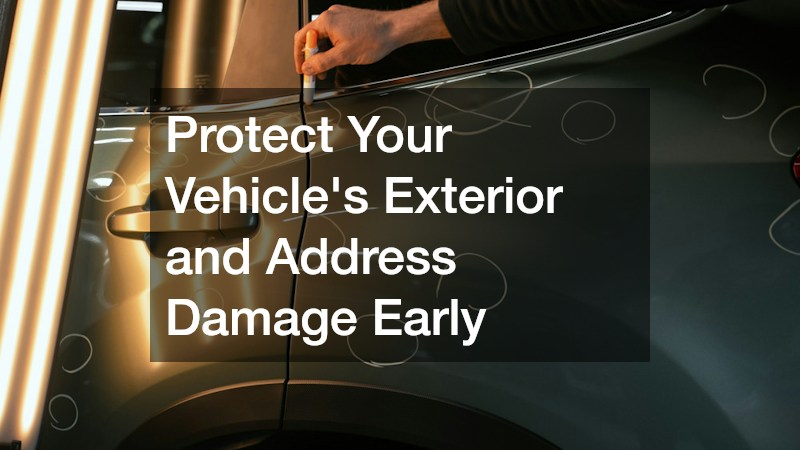
Exterior maintenance helps preserve a vehicle’s appearance while protecting vulnerable materials from moisture, corrosion, and environmental damage. Small defects may seem cosmetic, but leaving certain problems untreated can lead to more extensive deterioration.
Repair Small Dents and Paint Damage
Scratches and dents can expose underlying materials to moisture and road contaminants. On steel body panels, damaged paint may eventually allow rust to develop, particularly in areas exposed to road salt or persistent moisture.
Local paintless dent repairs may be suitable for minor dents when the paint remains intact, and the affected panel can be reshaped without compromising its finish. This technique often preserves the original paint and may cost less than conventional bodywork.
However, paintless methods are not appropriate for every dent. Sharp creases, extensive stretching, damaged paint, and certain panel locations may require alternative repairs.
Check Exterior Components for Damage
Bumpers, mirrors, lights, and body panels contribute to safe operation. A loose bumper may detach, a cracked mirror can restrict visibility, and damaged lights may make a vehicle harder for other road users to see.
An auto body shop can assess damaged panels, restore exterior components, and identify problems that may not be obvious during a quick visual inspection.
Drivers should routinely check:
- Headlights, brake lights, turn signals, and hazard lights.
- Windshield cracks and chips that interfere with visibility.
- Mirrors for secure mounting and clear reflections.
- Windshield wipers for streaking, cracking, or deterioration.
- Bumpers and exterior panels for loose fasteners or sharp edges.
Addressing these concerns promptly helps maintain visibility and reduces the chance that minor exterior problems will become more expensive repairs.
Prepare Your Vehicle for Emergencies and Changing Conditions
Even well-maintained vehicles can experience unexpected problems. Preparing for roadside emergencies and seasonal weather changes makes it easier to respond safely when conditions become difficult.
Keep Essential Emergency Supplies Available
An emergency kit can provide useful resources when a vehicle breaks down or becomes stranded. Store supplies securely so they do not move around the cabin during sudden stops.
Consider carrying the following items:
- A flashlight with spare batteries or a charged rechargeable light.
- A first-aid kit and essential personal supplies.
- Reflective warning devices, where appropriate and safe to use.
- Jumper cables or a compatible jump starter.
- A tire pressure gauge and basic tools.
- Drinking water and weather-appropriate clothing.
- A phone charger and roadside assistance information.
Drivers should understand how to use their equipment before an emergency occurs. For example, jump-starting procedures vary by vehicle, and some models require specific connection points or precautions.
If a breakdown occurs near moving traffic, prioritize personal safety. Move to a safe location if possible, activate hazard lights, and request professional roadside assistance if working on the vehicle would be dangerous.
Adjust Maintenance for Seasonal Weather
Temperature changes can affect batteries, tire pressure, engine fluids, and cooling systems. Cold weather can reduce battery performance, while extreme heat places additional demands on the cooling system.
Before winter, inspect the battery, test the heating and defrosting systems, and ensure the tires are appropriate for expected conditions. Before summer, check coolant levels, cooling system performance, and air conditioning operation.
Seasonal preparation should also include replacing worn wiper blades and checking washer fluid. Drivers who regularly travel on snowy or icy roads should review local tire requirements and consider suitable winter tires when necessary.
These preparations improve readiness for changing conditions and can reduce the likelihood of avoidable breakdowns during inconvenient or hazardous weather.
Make Informed Decisions About Parts and Replacement Vehicles
Repair quality depends partly on selecting suitable components. Vehicle owners should understand their options and evaluate replacement decisions based on safety, compatibility, and long-term costs.
Evaluate Replacement Parts Carefully
Replacement parts may come from original equipment manufacturers, aftermarket suppliers, or used-component sources. Each option has potential advantages, but suitability depends on the component, vehicle, and repair requirements.
Auto salvage yards may offer used engines, mirrors, body panels, wheels, or other components at lower prices than new parts. However, condition, compatibility, and previous damage should be verified before purchasing.
Before choosing a replacement part, confirm:
- The component matches the vehicle’s year, make, model, and configuration.
- Its condition and history are adequately documented.
- Any applicable warranty or return policy is clear.
- It meets relevant safety and manufacturer requirements.
- A qualified technician considers it appropriate for the intended repair.
Extra caution is necessary for airbags, seat belts, braking components, and other safety-critical equipment. A low price should never outweigh the need for dependable performance and verified compatibility.
Select Useful Accessories for Routine Maintenance
Appropriate auto products can help drivers monitor vehicle condition and handle basic maintenance. A reliable tire pressure gauge, battery tester, windshield washer fluid, and emergency kit are practical additions for many vehicles.
When purchasing accessories, check product specifications and confirm compatibility with the vehicle. Avoid equipment that obstructs the driver’s view, interferes with airbags, or compromises access to essential controls.
Drivers should also be cautious about products promising dramatic improvements in fuel economy or engine performance without credible evidence. Follow manufacturer recommendations and consult a qualified technician before using additives or installing modifications that could affect vehicle operation or warranty coverage.
Keep Records and Plan for Long-Term Reliability
A complete maintenance history helps vehicle owners understand recurring problems, track upcoming service requirements, and make informed decisions about future expenses.
Document Services and Inspection Results
Keep receipts, inspection reports, warranty information, and records of replaced components in one organized location. A digital folder or maintenance application can make these documents easy to access.
Record the date, mileage, work performed, and any recommendations for future service. This information helps technicians identify patterns, especially when a problem returns after a repair.
Review the maintenance schedule periodically and plan for upcoming expenses, such as tire replacement, battery service, or major mileage-based maintenance. Setting aside money for predictable costs can make vehicle ownership easier to manage.
Evaluate Whether to Keep or Replace Your Vehicle
As a vehicle ages, recurring repairs may become more frequent or expensive. Compare anticipated repair costs with the vehicle’s value, safety, reliability, fuel consumption, and expected future maintenance needs.
A local used car dealership can be one option for drivers exploring replacement vehicles when their current cars no longer meet their needs. Before purchasing, review the vehicle history, arrange an independent inspection, and check for outstanding recalls.
Consider the total cost of ownership rather than focusing solely on the purchase price. Insurance, fuel, financing, maintenance, and expected repairs all influence affordability.
Making decisions based on documented information helps drivers avoid rushing into expensive repairs or replacement purchases without fully understanding their options.
Keeping a vehicle safe, reliable, and roadworthy requires consistent attention to maintenance, tires, brakes, exterior condition, and essential safety systems. Recognizing warning signs early and seeking qualified assistance for complex problems can prevent minor defects from becoming serious hazards. Seasonal preparation, emergency supplies, and accurate service records also help drivers stay prepared for unexpected challenges. By building practical maintenance habits and making informed repair decisions, vehicle owners can protect their investment, improve driving confidence, and reduce the likelihood of inconvenient breakdowns on the road.