The Diverse Services That Build, Maintain, and Support Today’s Homes and Businesses
Introduction
Modern life depends on mobility. Whether you’re commuting to work, operating a service fleet, managing deliveries, or preparing for a family road trip, reliable vehicles are essential. For businesses, transportation downtime can mean missed deadlines, lost revenue, and dissatisfied customers. For homeowners, it can mean inconvenience, unexpected expenses, and safety concerns.
Behind every dependable vehicle is a network of skilled professionals who build, maintain, repair, and support transportation systems. From routine maintenance and compliance inspections to cosmetic restoration and emergency recovery, these services play a vital role in keeping communities moving.
This guide explores the diverse range of automotive and transportation-related services that support both homes and businesses. You’ll find practical advice, actionable maintenance checklists, and strategic insights to help you protect your investment, reduce downtime, and improve safety.
Reduce Downtime by Building a Preventive Maintenance Schedule for Your Vehicles
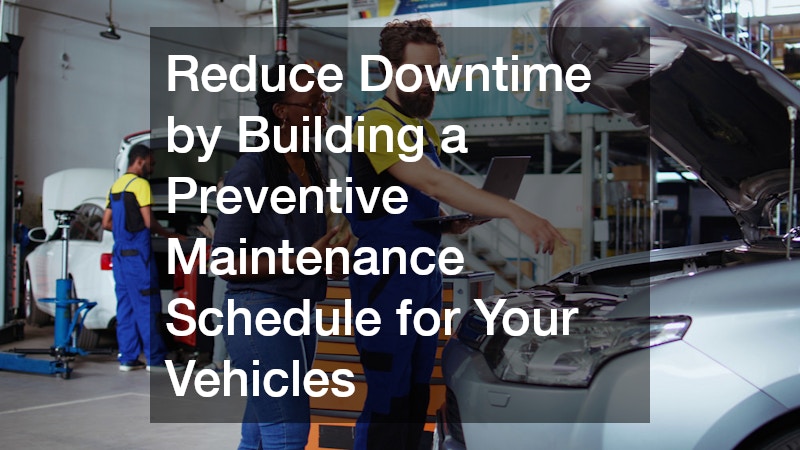
When it comes to vehicle ownership, preventive care is always more affordable than emergency repairs. Engines, transmissions, braking systems, and cooling components all experience wear over time. Without routine attention, small issues can quickly escalate into major failures.
Working with a trusted auto repair company allows you to create a proactive maintenance plan tailored to your driving habits or fleet demands. Instead of waiting for warning lights to appear, you address wear before it leads to breakdowns.
Watch for early warning signs that may indicate the need for car and truck engine repair:
-
Rough idling or stalling
-
Knocking or ticking sounds
-
Reduced fuel efficiency
-
Sluggish acceleration
-
Check engine light illumination
A preventive maintenance plan should include:
-
Oil and filter changes at manufacturer-recommended intervals
-
Cooling system inspections
-
Spark plug replacement
-
Belt and hose checks
-
Fluid level monitoring
For business fleets, the stakes are even higher. A delivery vehicle out of service can disrupt schedules and damage customer trust. Implementing a structured tracking system helps ensure no vehicle misses its service window.
Tips for choosing the right auto repair company:
-
Verify certifications and licensing
-
Ask about warranties on parts and labor
-
Review customer feedback
-
Request clear, written estimates
-
Confirm experience with your vehicle type
Establishing a relationship with a reliable provider simplifies diagnostics and ensures consistency in care. Over time, technicians become familiar with your vehicle’s history, making it easier to spot developing problems before they become costly emergencies.
Protect Your Investment by Addressing Exterior Damage Promptly
Cosmetic damage may seem minor, but ignoring dents, scratches, and paint damage can lead to long-term structural issues. Moisture can seep beneath chipped paint, causing corrosion that spreads beneath the surface.
Professional auto body services restore both the appearance and structural integrity of vehicles. Whether your car has experienced a minor parking lot incident or a significant collision, proper repair techniques preserve safety and value.
Situations where car dent repairs are appropriate:
-
Small door dings
-
Minor hail damage
-
Shallow surface dents without paint cracking
More extensive damage may require:
-
Panel replacement
-
Frame alignment
-
Paint blending
-
Structural reinforcement
Benefits of addressing exterior damage promptly:
-
Prevents rust formation
-
Maintains resale value
-
Preserves factory paint protection
-
Enhances professional image for business vehicles
Business owners should pay special attention to fleet appearance. Branded vehicles represent your company on the road. Clean, well-maintained exteriors reinforce credibility and professionalism.
When working with auto body services, consider:
-
Insurance coordination support
-
Warranty coverage on repairs
-
Use of manufacturer-approved parts
-
Digital damage assessments
Prompt action prevents minor issues from escalating into costly restorations.
Improve Safety and Fuel Efficiency with Proper Tire and Suspension Care
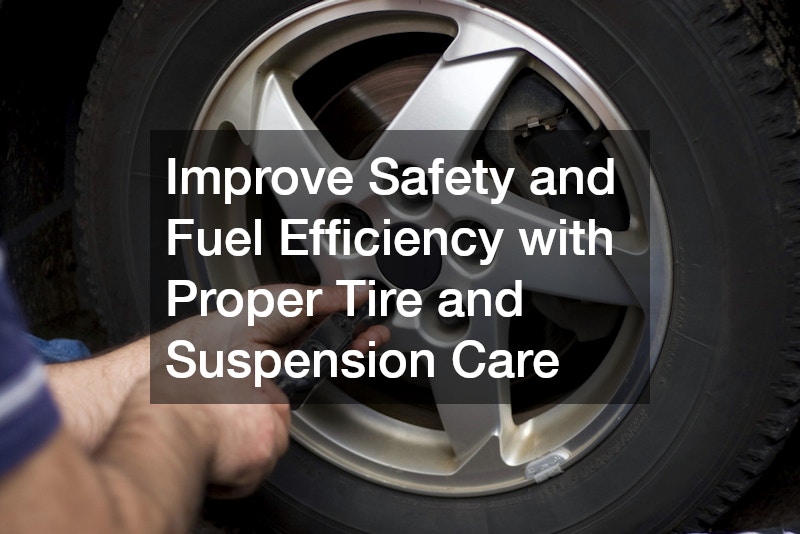
Tires and suspension systems directly affect safety, fuel efficiency, and overall vehicle performance. Misalignment can cause uneven tire wear, reduce gas mileage, and compromise handling.
Common signs your vehicle needs alignment:
-
Pulling to one side
-
Crooked steering wheel
-
Uneven tread wear
-
Vibrations while driving
Visiting reputable car alignment shops ensures precise adjustments that extend tire life and improve stability. Alignment services often include suspension inspections to identify worn components such as ball joints or control arms.
Routine tire maintenance checklist:
-
Check tire pressure monthly
-
Rotate tires every 5,000–7,500 miles
-
Inspect tread depth
-
Balance tires during rotation
-
Replace worn tires promptly
For commercial vehicles, improper alignment can increase operating costs significantly. Poor alignment creates rolling resistance, which reduces fuel efficiency and accelerates tire wear.
Regular visits to car alignment shops help maintain optimal performance, especially after:
-
Hitting potholes
-
Curb impacts
-
Suspension repairs
-
Installing new tires
Proactive care not only enhances safety but also reduces long-term expenses.
Stay Compliant and Environmentally Responsible with Routine Testing
Environmental responsibility is increasingly important for both individuals and businesses. Routine car emissions testing ensures vehicles meet regulatory standards and operate efficiently.
Failing emissions inspections can result in fines, registration delays, and costly repairs. More importantly, excessive emissions may indicate underlying engine performance issues.
Before scheduling car emissions testing, take these preparatory steps:
-
Ensure the check engine light is off
-
Tighten or replace the fuel cap
-
Confirm recent maintenance is up to date
-
Drive the vehicle beforehand to warm up the engine
If a vehicle fails inspection, address the root cause promptly. Common reasons for failure include:
-
Faulty oxygen sensors
-
Catalytic converter issues
-
Evaporative system leaks
-
Malfunctioning fuel injectors
Maintaining compliance not only protects the environment but also supports fuel efficiency and engine longevity. Businesses operating fleets should track testing deadlines carefully to avoid interruptions in service.
Ensure Quick Recovery from Breakdowns with Reliable Roadside Support
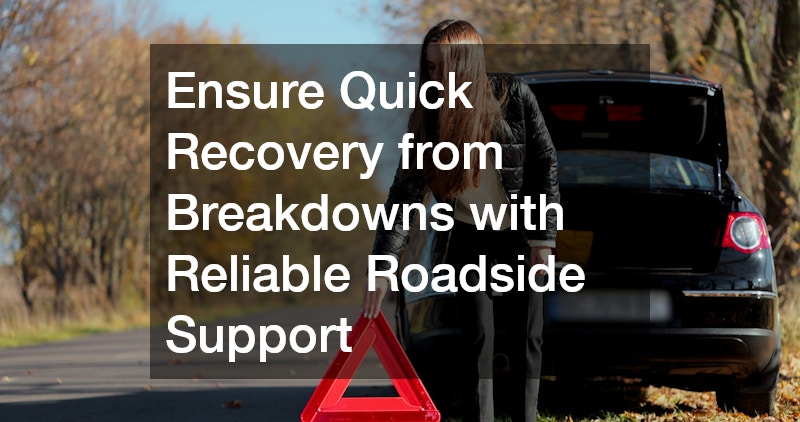
No matter how well-maintained a vehicle is, unexpected breakdowns can still occur. Flat tires, battery failures, and mechanical malfunctions happen without warning. Planning ahead minimizes stress and delays.
Professional towing services provide safe vehicle transport when roadside repairs are not possible. Attempting to tow a vehicle improperly can cause additional damage or create safety hazards.
When evaluating towing services, consider:
-
Licensing and insurance coverage
-
Response times
-
24/7 availability
-
Equipment for different vehicle sizes
-
Transparent pricing
Keep a roadside emergency kit in every vehicle:
-
Reflective triangles or flares
-
Flashlight with spare batteries
-
Jumper cables
-
First aid kit
-
Basic tool set
Businesses should establish clear protocols for drivers:
-
Contact designated roadside assistance providers
-
Share exact location details
-
Document vehicle condition
-
Notify management immediately
Reliable towing services ensure vehicles are transported safely to repair facilities, reducing downtime and preventing further complications.
Support Community Mobility with Flexible Passenger Options
Mobility extends beyond personal vehicles. Organized travel solutions play an important role in business operations and community events. Whether transporting employees, students, or event attendees, a dependable transportation service improves efficiency.
As organizations grow, transportation logistics often become more complex. Coordinating dozens—or even hundreds—of individuals requires more than simply assigning a meeting point. Timelines must be synchronized, safety must be prioritized, and contingencies must be planned in advance. When transportation runs smoothly, the entire event or operation benefits from improved punctuality and reduced stress.
Situations where structured passenger transport adds value:
-
Corporate retreats
-
School field trips
-
Airport transfers
-
Senior community outings
-
Large-scale conferences
In corporate settings, organized group travel fosters team cohesion and ensures everyone arrives together and on schedule. For schools, structured transport provides peace of mind to parents and administrators by ensuring trained drivers and properly maintained vehicles are in use. Senior communities benefit from coordinated outings that emphasize accessibility and safety, reducing the risks associated with individual driving.
When evaluating a transportation service, look beyond basic pricing. A thorough vetting process protects both passengers and organizers.
Key factors when evaluating a transportation service:
-
Driver background checks
-
Fleet maintenance standards
-
Safety certifications
-
ADA accessibility compliance
-
Flexible scheduling
Driver professionalism significantly impacts passenger experience. Drivers should be properly licensed, trained in defensive driving techniques, and familiar with local traffic patterns. Background checks and ongoing training programs are strong indicators of a reputable provider.
Fleet condition also matters. Vehicles should undergo regular inspections and preventive maintenance. Ask about:
-
Maintenance schedules
-
Age of vehicles in the fleet
-
Backup vehicle availability
-
Emergency communication systems
Accessibility compliance is essential, particularly for public events or organizations serving diverse populations. Vehicles equipped with wheelchair lifts, secure tie-down systems, and accessible seating ensure inclusivity.
Scheduling flexibility allows planners to adapt to unexpected changes. Delays in flights, weather conditions, or event overruns require transportation providers that can adjust routes and timelines accordingly.
For businesses, group transportation can reduce parking demand and streamline logistics. Instead of managing dozens of individual reimbursements or parking validations, organizations can centralize transport planning. This approach often reduces overall costs while improving coordination.
For community organizations, structured transportation ensures participants arrive safely and on time. It also supports social engagement by allowing passengers to travel together, encouraging interaction and shared experiences.
Advantages of organized passenger transport:
-
Lower environmental impact compared to multiple individual vehicles
-
Reduced traffic congestion
-
Enhanced safety monitoring
-
Improved time management
Environmental sustainability is increasingly important. Consolidating passengers into shared vehicles decreases fuel consumption and emissions compared to individual car use. In urban areas, reducing the number of vehicles on the road also helps alleviate traffic congestion.
Safety monitoring is another benefit. Coordinated transportation allows organizers to track passenger lists, confirm arrivals, and maintain clear communication channels. This oversight is particularly important for youth groups and large conferences.
To ensure smooth operations, planners should:
-
Provide clear pick-up and drop-off instructions
-
Share itineraries in advance
-
Designate on-site coordinators
-
Build buffer time into schedules
Thoughtful coordination enhances the experience for passengers while minimizing logistical challenges. By treating transportation as a strategic component rather than an afterthought, organizations can create smoother, safer, and more efficient events.
Maintain Specialty Vehicles for Recreation and On-Site Operations

Specialty vehicles often require unique maintenance routines. In residential communities, resorts, and commercial campuses, carts are frequently used for short-distance transport. Although compact, these vehicles perform important operational roles, from transporting guests to carrying equipment.
Regular golf cart service ensures these vehicles remain safe and reliable. Despite their smaller size, carts rely on batteries, motors, braking systems, and steering components that require routine inspection.
Because carts are often used in pedestrian-heavy environments, safety is especially critical. Malfunctioning brakes or steering systems can pose risks to both operators and bystanders.
Maintenance checklist for carts:
-
Inspect battery terminals for corrosion
-
Check tire pressure and tread
-
Test brake responsiveness
-
Lubricate moving components
-
Verify proper charging system function
Battery health is particularly important for electric carts. Overcharging, undercharging, or failing to maintain proper water levels in lead-acid batteries can shorten lifespan dramatically. Operators should follow manufacturer guidelines for charging cycles and storage.
When to schedule professional golf cart service:
-
Reduced driving range
-
Unusual noises
-
Jerky acceleration
-
Steering difficulties
In commercial settings, downtime can disrupt guest services or operational efficiency. For example, a resort relying on carts for guest transport must maintain consistent availability during peak seasons.
Additional preventive strategies include:
-
Cleaning carts regularly to remove debris
-
Inspecting wiring connections
-
Replacing worn seat belts
-
Confirming proper lighting function for evening use
Routine inspections extend lifespan and prevent unexpected breakdowns during peak use. For businesses, reliable specialty vehicles enhance operational efficiency and customer experience. For homeowners in golf communities, proper care ensures safe, convenient mobility within neighborhoods.
Prepare Recreational Vehicles for Travel and Storage
Recreational vehicles combine transportation with living amenities. Because they contain plumbing, electrical, and mechanical systems, maintenance must be comprehensive. Unlike standard vehicles, RVs experience both road stress and residential-style system wear.
Commonly replaced rv parts include:
-
Water pumps
-
Brake assemblies
-
Roof seals
-
Electrical connectors
-
Vent covers
Each component plays a vital role. Roof seals protect against water intrusion, while brake assemblies ensure safe handling for these heavier vehicles. Electrical connectors link towing vehicles to trailers, powering lights and braking systems.
Before long trips, conduct a thorough pre-departure inspection:
-
Test generator operation
-
Check propane connections
-
Examine roof seals for cracks
-
Confirm brake performance
-
Inspect tires for age-related wear
Tires deserve special attention. Even if tread depth appears sufficient, RV tires may deteriorate due to age or prolonged exposure to sunlight. Replacing aging tires reduces the risk of blowouts.
Sourcing quality rv parts from reputable suppliers ensures compatibility and durability. Inferior components may fail prematurely, leading to costly roadside repairs.
Seasonal preparation steps:
-
Drain and winterize water systems
-
Clean holding tanks thoroughly
-
Disconnect batteries during long storage
-
Cover tires to protect from UV damage
Winterization is particularly important in colder climates. Frozen pipes can crack and cause extensive water damage. Adding antifreeze and draining systems properly protects internal plumbing.
During storage, consider:
-
Using moisture absorbers to prevent mold
-
Checking roof seals periodically
-
Starting engines or generators periodically to maintain lubrication
Keeping detailed maintenance records simplifies future diagnostics and enhances resale value. Prospective buyers often seek evidence of consistent care.
Preventive care reduces the likelihood of roadside emergencies and costly repairs. By treating RV maintenance as an ongoing responsibility rather than a seasonal task, owners can enjoy safer travel and protect their investment.
Conclusion
Homes and businesses rely heavily on reliable transportation systems. From preventive engine care and exterior restoration to compliance inspections and emergency support, professional services ensure vehicles operate safely and efficiently.
Strategic planning transforms vehicle ownership from reactive crisis management into proactive asset protection. Routine maintenance, careful provider selection, and consistent oversight reduce costs and extend lifespan.
Transportation is more than movement—it is access to opportunity, productivity, and connection. By understanding the range of services available and acting before problems escalate, property owners and business operators can safeguard their mobility, protect their investments, and maintain confidence in every journey ahead.