Operating a motor vehicle provides unmatched freedom and everyday convenience, but it also comes with significant operational, financial, and legal responsibilities. Whether you drive a daily commuter car, handle heavy-duty hauling, or ride on two wheels, keeping a vehicle safe and roadworthy requires continuous attention. At the same time, navigating modern roadways means sharing space with commercial traffic, managing unpredictable weather conditions, and staying informed about traffic laws.
A truly prepared motorist understands that driving safely is a dual commitment. On one side is mechanical care—staying ahead of component wear, addressing unexpected system failures, and keeping performance systems operating smoothly. On the other side is legal and physical preparedness—knowing how to protect your health, your rights, and your financial standing if an incident occurs. This guide provides a comprehensive roadmap for balancing vehicle upkeep, physical wellness, and legal defense on today’s busy roads.
Mastering Routine Vehicle Upkeep & Specialized Diagnostics
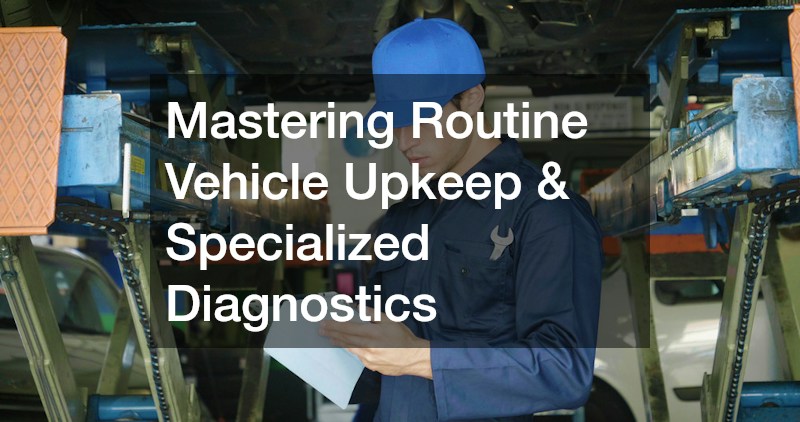
Staying ahead of mechanical failures begins with structured, preventive care. Vehicles are intricate assemblies composed of thousands of interconnected components, ranging from moving mechanical parts and high-temperature fluids to sophisticated electronic sensors. These parts work in unison to ensure the vehicle operates efficiently and safely. Unfortunately, neglecting even the most basic vehicle maintenance tasks might seem financially prudent in the short term, as it can save a few dollars. However, this postponement often leads to unforeseen premature component failures and ultimately results in significantly higher repair bills in the long run.
To maintain a vehicle’s performance and extend its lifespan, establishing a consistent maintenance baseline is crucial. This involves meticulously tracking both specific time intervals and the total mileage the vehicle has covered. Several key areas require regular attention and upkeep to ensure each system functions optimally:
- Fluid Management: Engine oil, transmission fluid, coolant, power steering fluid, and brake fluid are fundamental to the smooth operation of a vehicle. However, these fluids are susceptible to degradation over time. The continuous exposure to heat and mechanical shear forces causes a breakdown in their effectiveness. Consequently, replacing them at manufacturer-recommended intervals is critical. Regular fluid changes prevent excessive friction, reduce the chance of internal corrosion, and prolong the life of essential engine and transmission components.
- Tire Maintenance: Regular tire rotations are vital for maintaining an even wear pattern across all tires, which is recommended every 5,000 to 7,500 miles. This practice is not only crucial for extending the lifespan of the tires but also for ensuring the vehicle maintains optimal traction, particularly in challenging wet or icy driving conditions. Proper tire maintenance enhances the vehicle’s grip on the road, which is essential for safety and performance.
- Brake System Inspections: Routine inspections of the vehicle’s braking system are paramount. By checking brake pads, rotors, and lines, drivers can prevent damaging metal-on-metal contact. This proactive approach preserves the vehicle’s stopping power, ensuring safety for the driver and passengers. Regular inspections help in identifying minor wear and tear early on, thereby reducing overall ownership costs by preventing more significant, costly brake repairs in the future.
- Filter Replacements: The replacement of cabin and engine air filters is often overlooked yet plays a vital role in protecting critical vehicle systems. These filters prevent contaminants from entering the vehicle’s interior and engine, safeguarding both driver health and optimizing engine performance. Clean and efficient filters contribute to maximum fuel economy by guaranteeing proper engine airflow, which is essential for combustion efficiency.
While general maintenance addresses the fundamental needs of most vehicles, high-performance, European, or vintage models demand specialized attention and expertise. Such vehicles are equipped with advanced onboard computers, unique suspension geometries, and custom electronic control units. As a result, standard diagnostic tools often prove inadequate in diagnosing and maintaining these sophisticated machines. Entrusting the care of a luxury import vehicle to a dedicated Jaguar mechanic ensures that factory-level software updates are performed, precise torque specifications are adhered to, and genuine OEM (Original Equipment Manufacturer) parts are utilized. This meticulous approach not only preserves the vehicle’s exceptional driving dynamics but also maintains its resale value, keeping it in peak condition.
Similarly, motorcycle enthusiasts face distinctive mechanical challenges that require particular attention and expertise. Two-wheeled vehicles present their own set of maintenance demands, such as maintaining chain tension, balancing spoke alignment, monitoring tire compound degradation, and servicing specialized clutch systems. For these riders, establishing a relationship with experienced local motorcycle mechanics is invaluable. These professionals offer trusted advice on crucial aspects like seasonal storage preparation, periodic valve clearance checks, and personalized suspension setups tailored to individual riding styles. Such expertise ensures smooth, safe, and enjoyable riding experiences.
Tackling Major Mechanical Systems & Engine Overhauls
Even with meticulous routine care, major vehicle systems experience wear over time. Exhaust systems, for example, endure extreme temperature swings, constant vibration, and exposure to corrosive road salts. Over time, rust can compromise heat shields, crack exhaust manifolds, or puncture mufflers and pipes. Addressing auto exhaust repairs promptly is essential not just for sound control, but for keeping harmful gases like carbon monoxide from entering the passenger cabin and ensuring backpressure remains calibrated for optimal fuel efficiency.
When dealing with heavy-duty platforms or high-mileage work vehicles, internal engine components eventually reach the end of their operational lifespan. Cylinder walls score, bearings wear thin, and fuel injectors lose precision. In heavy diesel engines, addressing these issues often requires more than simple bolt-on replacements.
A full diesel engine rebuild involves completely disassembling the block, inspecting crankshaft clearances, honing or re-sleeving cylinders, and replacing pistons, rings, and main bearings. Performing a comprehensive overhaul restores factory compression levels, improves fuel economy, and extends the operational lifespan of a heavy-duty truck by hundreds of thousands of miles, making it a cost-effective alternative to purchasing a new vehicle.
Deciding between major overhauls and complete vehicle replacement comes down to a clear financial analysis. Vehicle owners should evaluate:
- Overall Chassis Integrity: Frame rust, structural damage, or severe body rot may make an engine overhaul economically impractical.
- Downtime vs. Replacement Cost: The labor required for a full teardown must be weighed against commercial lease payments or new vehicle purchase prices.
- Upstream System Condition: Upgrading or rebuilding an engine often places extra stress on aging transmissions and differentials, which may require concurrent servicing.
Defensive Driving & Navigating Traffic Enforcement
Preventing incidents on the road requires combining strong mechanical readiness with active defensive driving. Modern highways are shared by passenger vehicles, delivery vans, and massive commercial haulers. Operating safely around large rigs requires a thorough understanding of their physical limitations and operational challenges.
Commercial trucks possess significant blind spots—often called “no-zones”—along their sides, rear, and front bumper. Following too closely reduces visibility and cuts off stopping distance, which can be up to 40 percent longer for a loaded semi-truck compared to a standard passenger car. Giving heavy vehicles ample room to maneuver, avoiding sudden lane changes in front of them, and passing swiftly on the left reduces the likelihood of high-speed highway collisions.
Despite a driver’s best efforts, traffic stops and alleged moving violations can happen. Receiving a citation can lead to heavy fines, insurance rate hikes, and accrued points on your driving record that threaten your driving privileges.
When pulled over, motorists should remain calm, pull off to a safe location, keep hands visible, and comply with reasonable officer requests. However, drivers also retain rights, including the ability to challenge citations in court. Consulting experienced traffic violation lawyers can help contest improper speeding tickets, lane-change violations, or license suspensions. Legal representation ensures that equipment calibration records, officer positioning, and procedural steps are properly scrutinized to protect your driving record.
Post-Accident Protocols & Physical Recovery
When an accident occurs, having a clear action plan reduces chaos and ensures safety. The immediate moments following a crash set the foundation for both physical recovery and any subsequent legal claims.
Drivers should follow this operational protocol immediately after a collision:
- Ensure Safety First: Move vehicles out of active traffic lanes if possible, turn on hazard lights, and check all passengers and occupants of other vehicles for injuries.
- Contact Emergency Services: Call for medical assistance and request a police dispatch to secure an official accident report.
- Document the Scene: Photograph vehicle placement, damage from multiple angles, road conditions, skid marks, traffic signals, and weather conditions.
- Exchange Information: Collect names, phone numbers, driver’s license details, insurance policy info, and vehicle registrations from all involved drivers.
- Identify Witnesses: Obtain contact information from bystanders who saw the crash happen before they leave the area.
- Limit On-Scene Discussion: Stick strictly to factual information with law enforcement officers and refrain from admitting fault or apologizing at the scene.
Physical injuries sustained in vehicle collisions are not always immediately obvious. Adrenaline can mask pain, causing symptoms like whiplash, soft-tissue tears, and spinal micro-trauma to manifest days or even weeks after the incident. Seeking prompt medical evaluation is vital for identifying hidden injuries early.
A qualified chiropractor can diagnose spinal misalignments, restore joint mobility, and ease inflammation through gentle adjustments and therapeutic exercises. Early non-invasive treatment helps prevent acute impact trauma from turning into chronic back or neck pain, supporting long-term physical recovery.
Protecting Your Health and Finances Through Legal Representation

Navigating the financial fallout of a major crash can quickly become overwhelming. Medical bills, lost income during recovery, and property damage repairs build up rapidly, while insurance adjusters often push for quick, low-value settlements.
Working with a seasoned personal injury lawyer helps level the playing field against insurance corporations. An attorney handles all communications, calculates current and future medical expenses, evaluates lost earning potential, and negotiates assertively to secure full and fair compensation for your injuries and suffering.
When crashes involve high speeds, multiple vehicles, or commercial operators, determining liability becomes much more complex. A skilled car accident attorney possesses the resources needed to conduct thorough investigations, retrieve event data recorder (black box) info, analyze accident scene photos, and work with crash reconstruction experts to build a clear picture of fault.
Accidents involving large trucking companies introduce additional legal layers. Federal regulations govern driver operating hours, cargo loading limits, vehicle maintenance logs, and driver qualifications. Corporate legal teams often move quickly to protect their interests after a severe crash. Retaining legal counsel familiar with commercial transport regulations ensures that crucial electronic logging device data, maintenance records, and driver history logs are preserved before they are lost or altered.
Everyday Budgeting for Comprehensive Auto Care
A complete driver protection strategy requires managing routine financial obligations alongside emergency costs. Vehicle ownership comes with recurring operational expenses that should be accounted for in a monthly budget.
Creating an emergency vehicle repair fund helps cushion the blow of sudden component failures or unexpected auto repairs. Setting aside a fixed amount each month prevents drivers from relying on high-interest credit cards when tires fail, alternators wear out, or cooling systems burst.
Beyond maintaining a dedicated savings buffer, reviewing insurance policy terms annually ensures appropriate financial protection. Key coverage options every motorist should consider include:
- Uninsured/Underinsured Motorist Coverage: Protects you if you are hit by a driver who lacks sufficient liability coverage or flees the scene.
- Comprehensive and Collision Coverage: Pays for vehicle repairs resulting from crashes, falling debris, weather damage, theft, or vandalism.
- Medical Payments (MedPay) or Personal Injury Protection (PIP): Helps cover immediate medical costs for you and your passengers regardless of who caused the crash.
- Roadside Assistance and Towing: Provides quick assistance during battery failures, flat tires, or mechanical breakdowns far from home.
Using This Guide for Auto Maintenance, Repairs, and Legal Matters
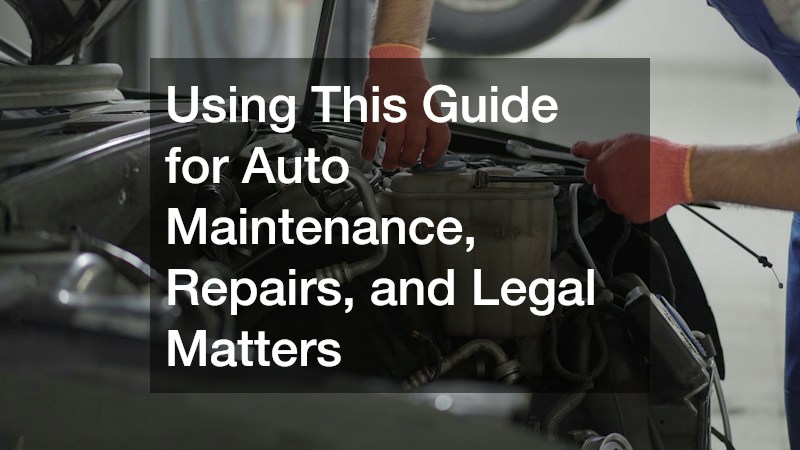
Being a responsible motorist requires a balanced approach to managing vehicle performance, personal wellness, and legal rights. Maintaining a reliable vehicle means staying proactive with basic maintenance schedules and knowing when to turn to specialists for advanced mechanical issues. Protecting yourself on the road requires defensive driving habits, an understanding of traffic enforcement procedures, and an emergency plan for accident management.
When incidents happen, acting quickly to safeguard your health and legal standing ensures that a single breakdown or crash does not turn into a long-term financial setback. By combining mechanical diligence with legal awareness and physical care, drivers can navigate today’s roads with confidence, safety, and total peace of mind.