What is Metal Fabrication and How Does it Work?
Overview of Metal Fabrication
Metal fabrication is a manufacturing process where raw metal materials are transformed into specified shapes and sizes. Renowned for its utility across various sectors, metal fabrication is indispensable in automotive, construction, and consumer goods industries. The process begins with the selection of appropriate materials based on the required properties and end-use applications. Techniques like cutting, welding, and machining are skillfully executed to achieve the desired precision and durability. Ultimately, metal fabrication serves as the backbone of industrial development, with its roots deeply embedded in technological advancements.
In manufacturing, metal fabrication involves a blend of manual and automated processes tailored to meet specific production needs. The journey from concept to product encompasses designing, prototyping, and testing phases, ensuring that every piece meets stringent quality standards. Metal fabrication thrives on the expertise of seasoned craftsmen alongside state-of-the-art machinery, promoting efficiency and innovation. This harmonious blend of human ingenuity and mechanical prowess is crucial in meeting the evolving demands of modern industry. As technology advances, the metal fabrication process continues to evolve, embracing innovation while preserving traditional techniques.
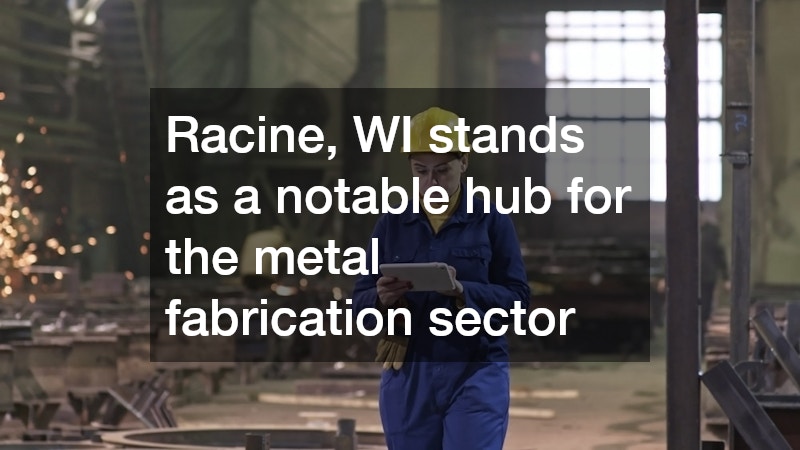
Within the bustling ecosystem of Racine, WI, metal fabrication plays an essential role in powering local industries and sustaining economic growth. The seamless integration of cutting-edge technology with traditional methods positions Racine as a leader in the global arena. This region’s dedication to quality and innovation ensures that regional industries thrive and remain competitive on an international scale. As a result, the metal fabrication industry in Racine continues to leave a monumental impact, creating jobs and fostering growth. The evolving landscape in Racine, upheld by a rich history in metalworking, exemplifies the future trajectory of metal fabrication worldwide.
Why is Racine, WI Significant in the Metal Fabrication Industry?
Historical Development of Metal Fabrication in Racine
The roots of metal fabrication in Racine, WI, trace back to the 19th century when the city emerged as a prominent manufacturing hub. Early settlers recognized the potential of the industry, laying the foundation for future growth by establishing workshops that specialized in metalworking. Over the years, the local industry evolved, adapting new technologies and methodologies that propelled it towards prominence. The entrepreneurial spirit and skilled craftsmanship of Racine’s inhabitants fueled the expansion of this sector, creating an enduring legacy. Today, Racine stands as a testament to the transformative power of metal fabrication, with its historical journey shaping the industry’s future.
The city’s strategic location played a pivotal role in channeling resources and technologies necessary for metal fabrication advancements. With proximity to major transportation routes and raw material suppliers, Racine quickly became an epicenter for innovation and industrial activity. Businesses leveraged these advantages to pioneer new techniques and products that met growing demands across various markets. As innovation flourished, Racine cultivated a reputation as a dynamic center for industrial excellence, attracting professionals and economic investments. This legacy continues to thrive, impacting both local and international markets with its inventive spirit and technical prowess.
The evolution of metal fabrication in Racine reflects broader trends within the industrial landscape, characterized by continuous adaptation and forward-thinking strategies. The city’s capacity to embrace changes and anticipate shifts in consumer needs positioned it as a leader in the fabrication domain. Initiatives in education and skill development reinforced this trajectory, ensuring that the workforce remained equipped to tackle new challenges. Consequently, Racine’s storied past serves not only as a source of pride but also as a guiding light for future industry endeavors. This enduring commitment to progress ensures that metal fabrication remains central to Racine’s economic vitality and identity.
How to Choose the Right Metal Fabrication Company in Racine, WI?
Essential Factors to Consider
Selecting the right metal fabrication company in Racine, WI involves evaluating several critical factors influenced by project requirements and industry standards. Companies should be assessed based on their technical capabilities, including the range of services offered and the complexity of projects they can handle. It’s essential to examine their track record for delivering quality products within specified timelines, ensuring reliability and consistency. Customer service plays a vital role in maintaining transparent communication and addressing any concerns promptly, contributing to a positive collaboration. Furthermore, a company’s commitment to safety and compliance with regulations is foundational to establishing trust and long-term partnerships.
Beyond technical expertise, the financial stability and reputation of a metal fabrication company can be decisive factors in the selection process. A well-established firm with a history of successful projects and client testimonials provides assurance of its capability and reliability. It’s advisable to review case studies and seek references from previous clients to gain a comprehensive understanding of their business ethos and project management approach. Additionally, assessing the company’s adaptability to emerging trends and technologies can indicate its potential to innovate and meet future demands. Ultimately, a comprehensive evaluation of these factors helps ensure a mutually beneficial engagement with the fabrication provider.
In Racine, WI, choosing the right metal fabrication company means considering its alignment with specific project goals and expectations. Identifying partners with the capability to scale production and meet varying demands is crucial for dynamic industries subject to rapid changes. Companies that offer customized solutions tailored to industry-specific requirements can provide invaluable flexibility and specialized expertise. Ensuring alignment in values, such as sustainability and community involvement, can enhance partnerships and deliver added value. By thoroughly assessing these factors and conducting due diligence, clients can make informed decisions that drive successful project outcomes and strengthen industry alliances.