Highlights
- Preventive maintenance helps identify small mechanical issues before they become expensive forklift repairs.
- Routine inspections improve operator safety and reduce the risk of unexpected equipment failures.
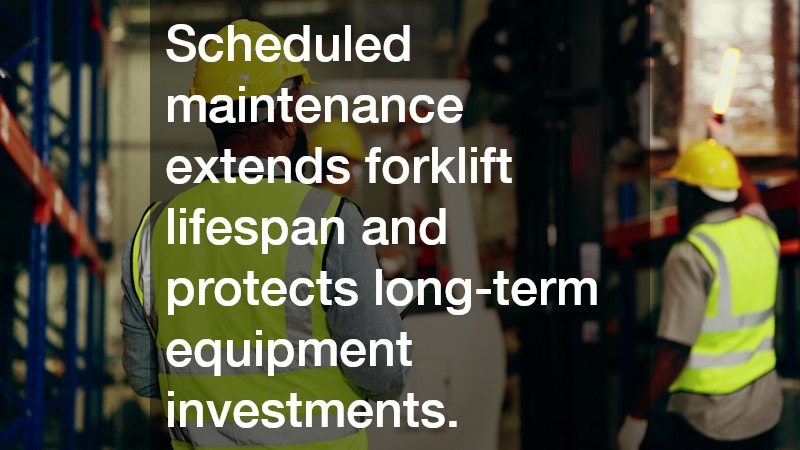
- Scheduled maintenance extends forklift lifespan and protects long-term equipment investments.
- Proper servicing minimizes downtime, helping warehouses and industrial facilities maintain productivity.
- Following manufacturer-recommended maintenance schedules supports regulatory compliance and equipment reliability.
- A proactive maintenance program lowers total operating costs while improving fleet performance.
Industrial businesses depend on forklifts to move materials safely and efficiently, making equipment reliability essential for daily operations. While it can be tempting to postpone maintenance when a forklift appears to be running normally, waiting until something breaks often results in higher repair costs, lost productivity, and unnecessary downtime.
Preventive maintenance focuses on identifying wear, replacing aging components, and verifying that every major system is operating as intended before a failure occurs. This proactive approach keeps forklifts working longer, reduces emergency service calls, and helps companies avoid costly interruptions that can impact operations. Investing in scheduled maintenance is one of the simplest and most effective ways to reduce the frequency and severity of forklift repairs while protecting both employees and equipment.
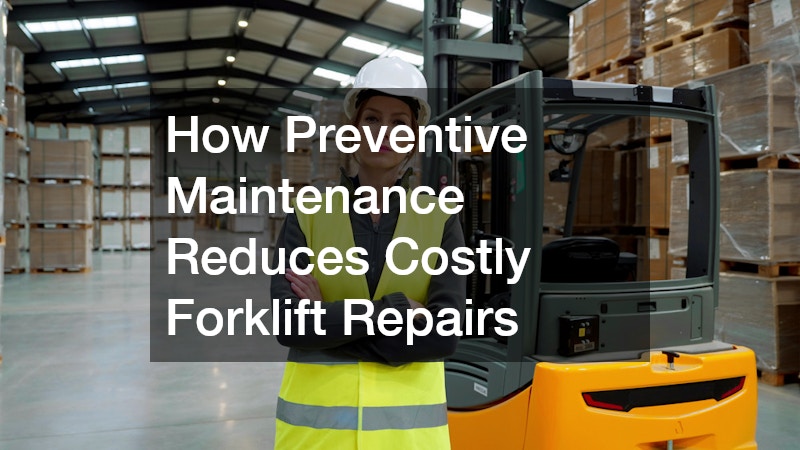
Why Does Preventive Maintenance Reduce Costly Forklift Repairs?
Preventive maintenance reduces costly forklift repairs because it catches developing problems before they become major mechanical failures. Components such as brakes, hydraulic hoses, batteries, tires, chains, and mast assemblies naturally wear over time. During routine inspections, technicians can identify excessive wear, fluid leaks, loose fasteners, damaged electrical connections, or declining battery performance before these issues cause additional damage. Replacing a worn hydraulic hose or adjusting a mast chain is significantly less expensive than repairing a failed hydraulic system or replacing damaged lifting components after a breakdown. Regular maintenance also ensures fluids remain clean, filters are replaced, lubrication reaches moving parts, and cooling systems continue functioning properly. These relatively inexpensive maintenance tasks reduce stress on critical systems, allowing forklifts to operate more efficiently and experience fewer unexpected failures throughout their service life.
What Maintenance Tasks Provide the Biggest Savings?
The maintenance activities that provide the greatest long-term savings are typically the simplest ones performed consistently.
- Inspect hydraulic systems for leaks, damaged hoses, and worn seals before pressure loss causes larger failures.
- Check tire condition regularly, since uneven or damaged tires increase wear on steering and suspension components.
- Lubricate moving parts to minimize friction on chains, bearings, mast rollers, and pivot points.
- Replace filters and fluids according to manufacturer recommendations to protect engines, transmissions, and hydraulic systems.
- Inspect batteries and charging systems to maximize performance and prevent premature battery replacement.
- Test brakes and steering components to ensure safe operation while reducing excessive wear on connected systems.
- Monitor forks and mast assemblies for cracks, bends, or structural damage that could create safety hazards or expensive repairs.
Performing these inspections on a scheduled basis dramatically lowers the likelihood of catastrophic failures that require lengthy repairs or equipment replacement.
How Does Preventive Maintenance Improve Safety and Productivity?
Preventive maintenance improves safety by ensuring forklifts continue operating as designed under demanding working conditions. Equipment failures involving brakes, steering systems, hydraulic lifts, or tires can create dangerous situations for operators and nearby employees. Routine inspections help identify these hazards before they become serious safety concerns. At the same time, maintenance also improves productivity because reliable forklifts spend more time moving materials instead of sitting in a repair shop. Warehouses, manufacturing facilities, distribution centers, and construction sites rely on predictable equipment availability to meet production schedules and customer deadlines. When forklifts remain operational through consistent maintenance, businesses experience fewer delays, reduced rental expenses, lower overtime costs, and improved workflow throughout the facility. The combination of increased reliability and enhanced workplace safety makes preventive maintenance an operational advantage rather than simply another maintenance expense.
What Should Every Forklift Maintenance Program Include?
An effective preventive maintenance program should follow both manufacturer recommendations and the specific operating conditions of each forklift.
- Daily pre-operation inspections completed by operators before every shift.
- Scheduled service intervals based on operating hours instead of waiting for equipment failure.
- Detailed maintenance records documenting inspections, repairs, and replacement parts.
- Battery maintenance programs for electric forklifts, including proper charging and water level checks.
- Operator training that teaches employees how to recognize early warning signs of mechanical problems.
- Professional inspections performed by qualified technicians for hydraulic, electrical, engine, and safety systems.
- Immediate repair of minor issues before they develop into larger mechanical failures.
Following a structured maintenance schedule creates consistency across an entire forklift fleet while helping managers forecast maintenance costs more accurately and maximize equipment uptime.
Why is Preventive Maintenance a Smart Long-Term Investment?
Preventive maintenance delivers measurable financial benefits because it reduces emergency repair costs while extending the useful life of valuable equipment. Forklifts represent a significant capital investment, and replacing them prematurely due to neglected maintenance increases operating expenses substantially. Well-maintained forklifts consume less fuel or electricity, experience fewer breakdowns, retain higher resale value, and require fewer major component replacements over time. Businesses also benefit from improved scheduling because planned maintenance can be performed during slower production periods instead of disrupting operations unexpectedly. Beyond direct repair savings, preventive maintenance supports workplace safety initiatives, reduces liability risks, and helps organizations comply with equipment inspection requirements. Rather than viewing maintenance as an expense, successful fleet managers recognize it as an investment that protects equipment, employees, productivity, and profitability while significantly reducing the need for expensive forklift repairs.
Preventive maintenance is one of the most effective strategies for reducing costly forklift repairs and keeping material handling operations running smoothly. Regular inspections, scheduled servicing, proper lubrication, timely component replacement, and accurate maintenance records all work together to prevent small issues from becoming major mechanical failures. Businesses that prioritize maintenance experience less downtime, lower repair expenses, improved safety, and longer equipment life, allowing them to maximize the return on their forklift investment. By adopting a proactive maintenance program instead of reacting to unexpected breakdowns, organizations can improve operational efficiency while controlling long-term ownership costs. In today’s fast-paced industrial environment, preventive maintenance is not simply good practice—it’s an essential part of maintaining reliable, safe, and cost-effective forklift operations.
Sources
- Occupational Safety and Health Administration (OSHA) – Powered Industrial Trucks: https://www.osha.gov/powered-industrial-trucks
- Toyota Material Handling – Forklift Maintenance Best Practices: https://www.toyotaforklift.com/resource-library
- Hyster – Forklift Maintenance and Operator Resources: https://www.hyster.